I. Equipment Overview
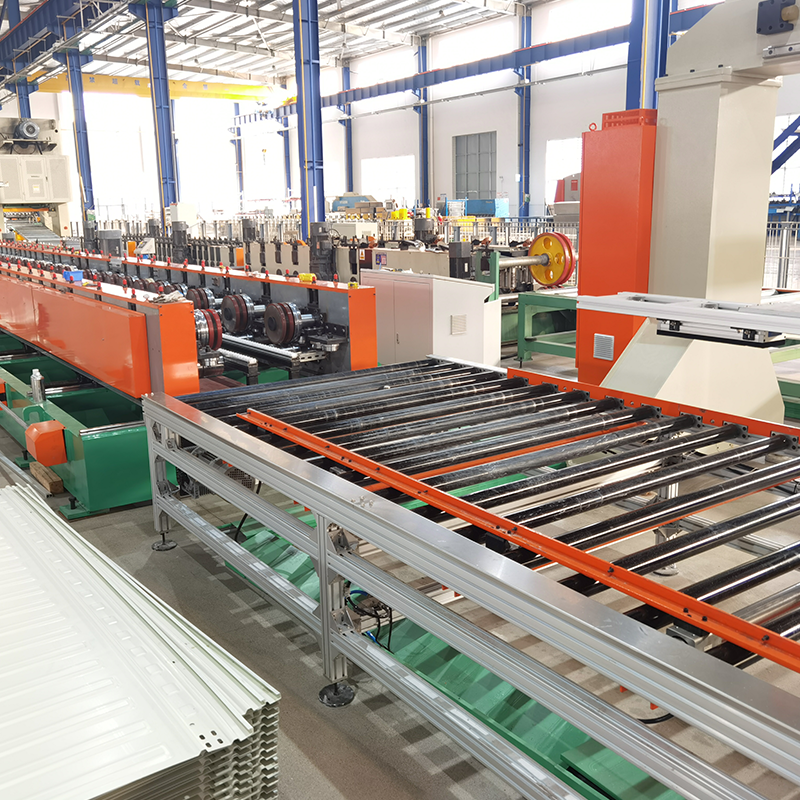
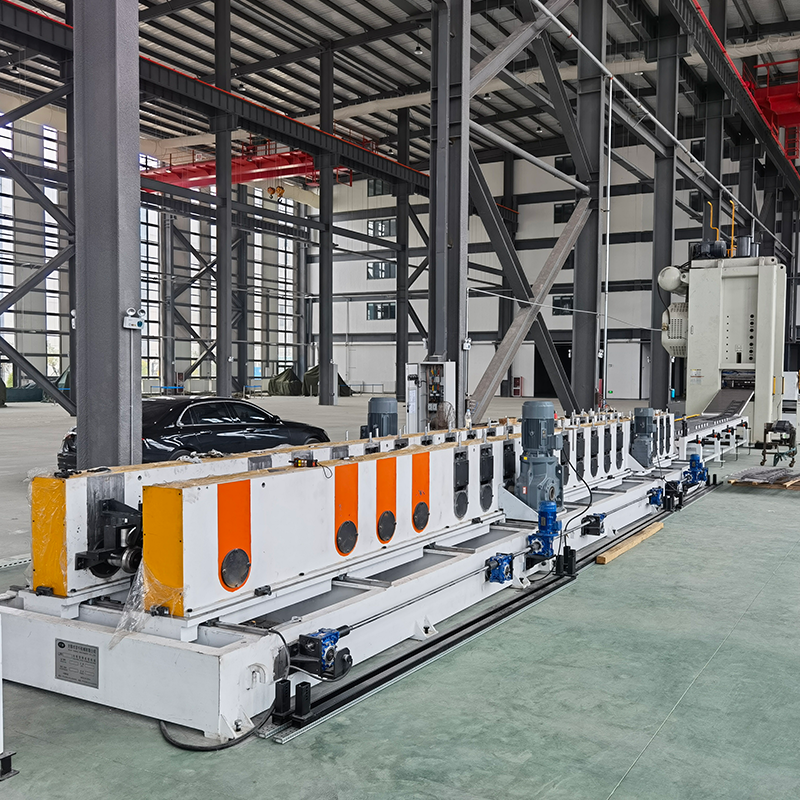
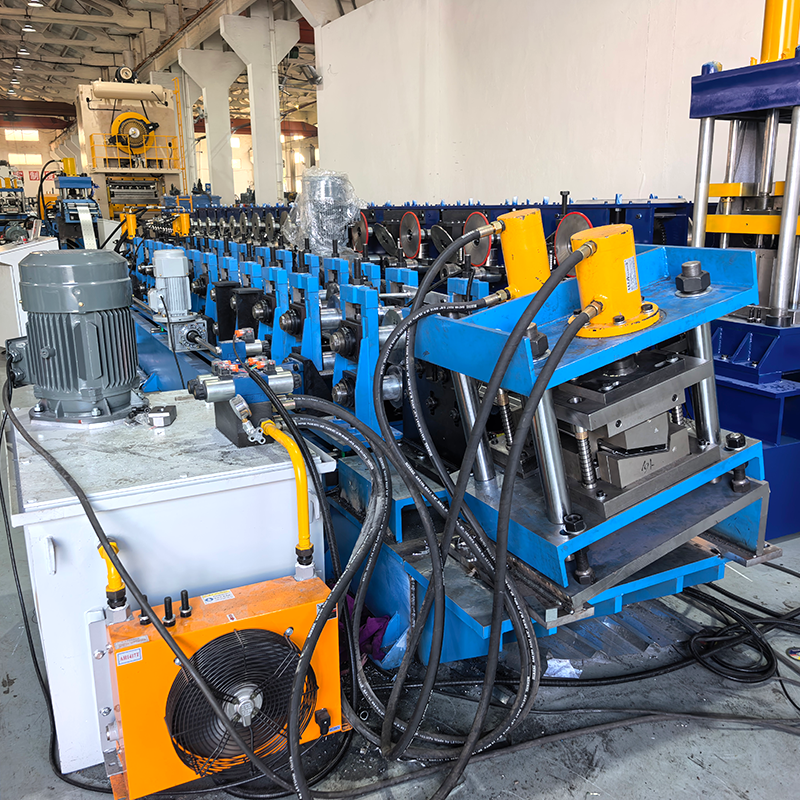
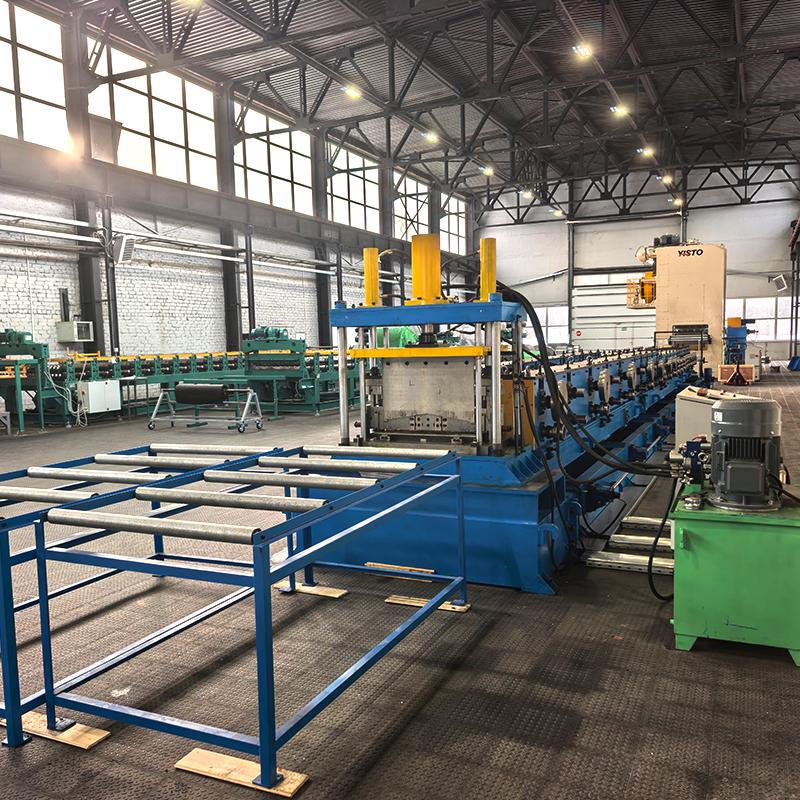
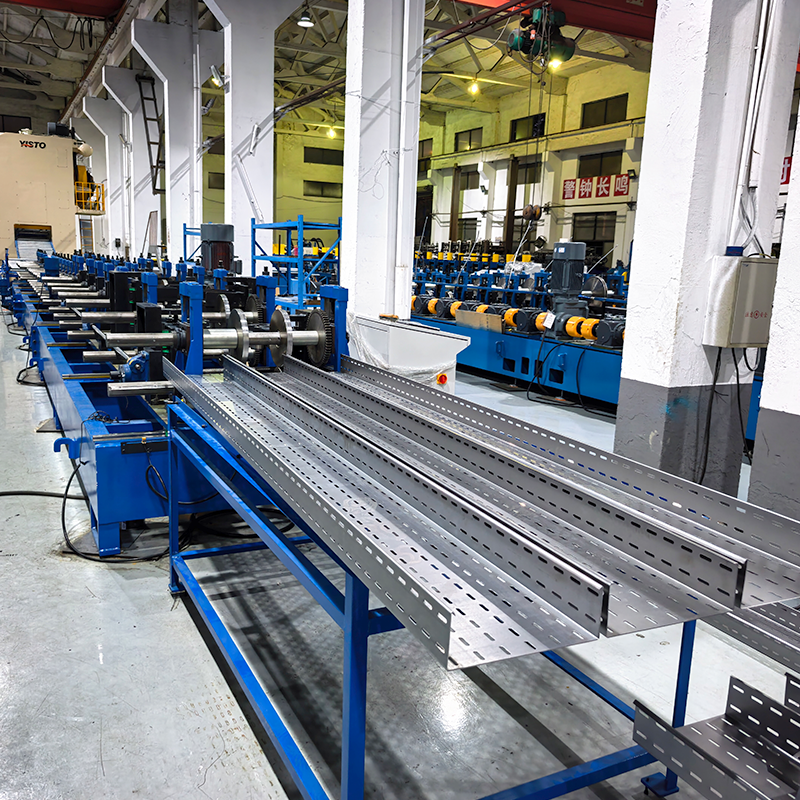
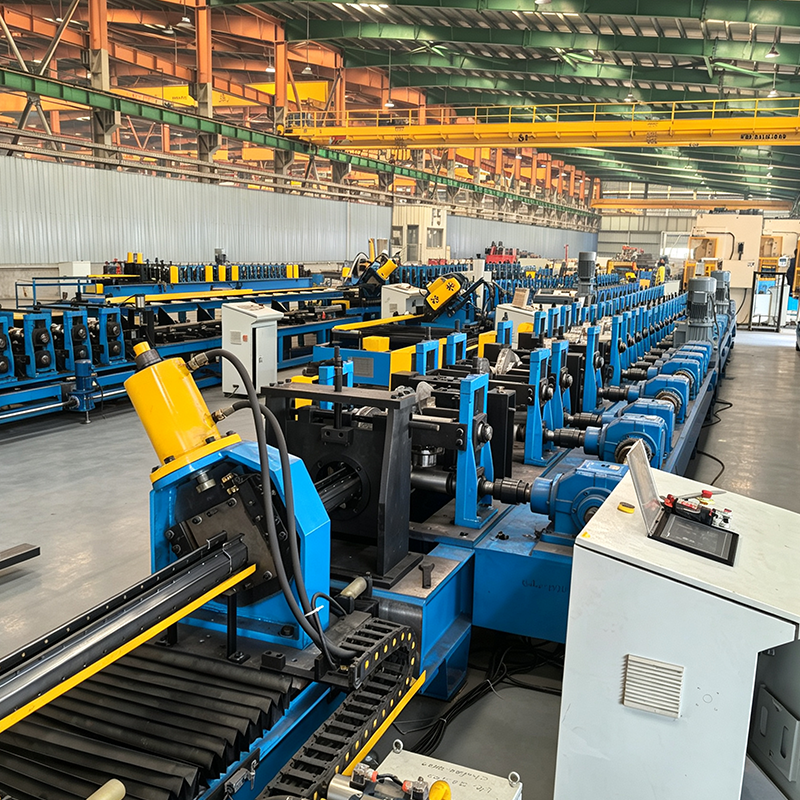
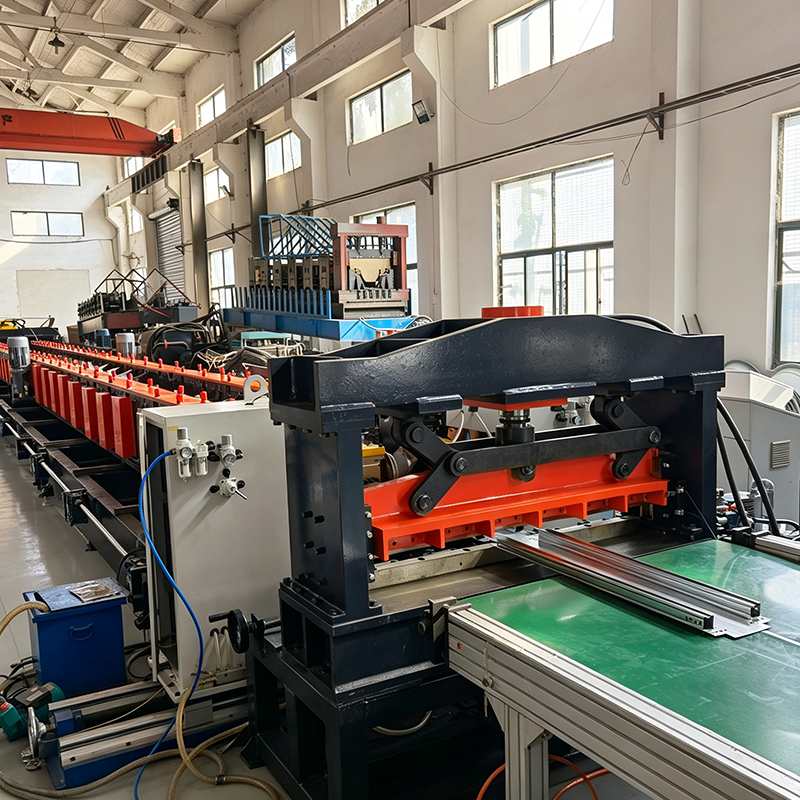
The Cable Tray Roll Forming Machine Series is an automated cold-roll forming production line specifically designed for manufacturing cable trays. Through a continuous cold-roll forming process, the equipment transforms steel strip coils into various types of cable tray products—such as trough, tray, ladder-side, and cover plate styles—in a single pass.
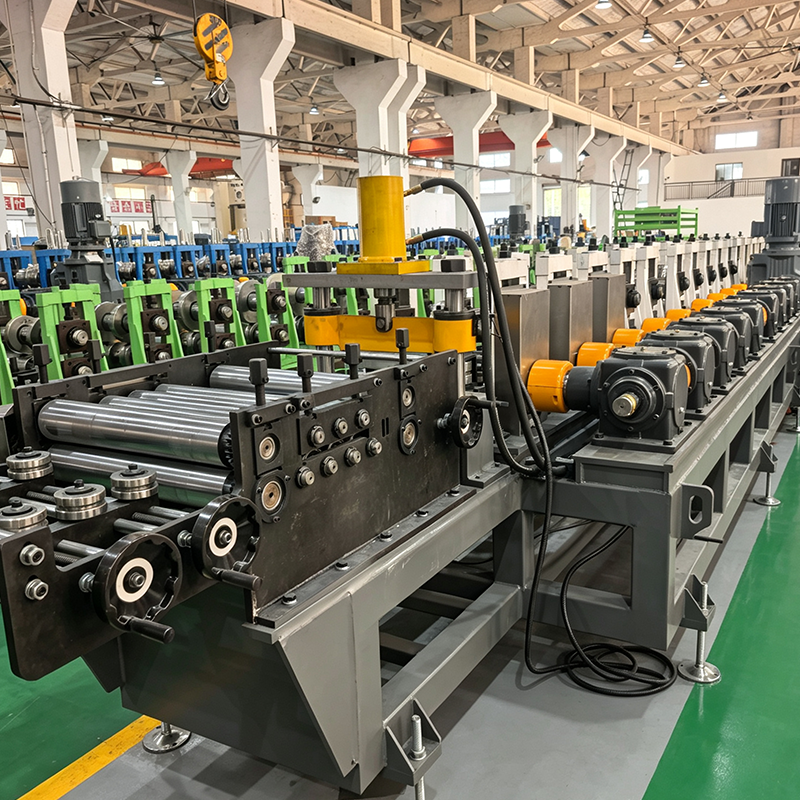
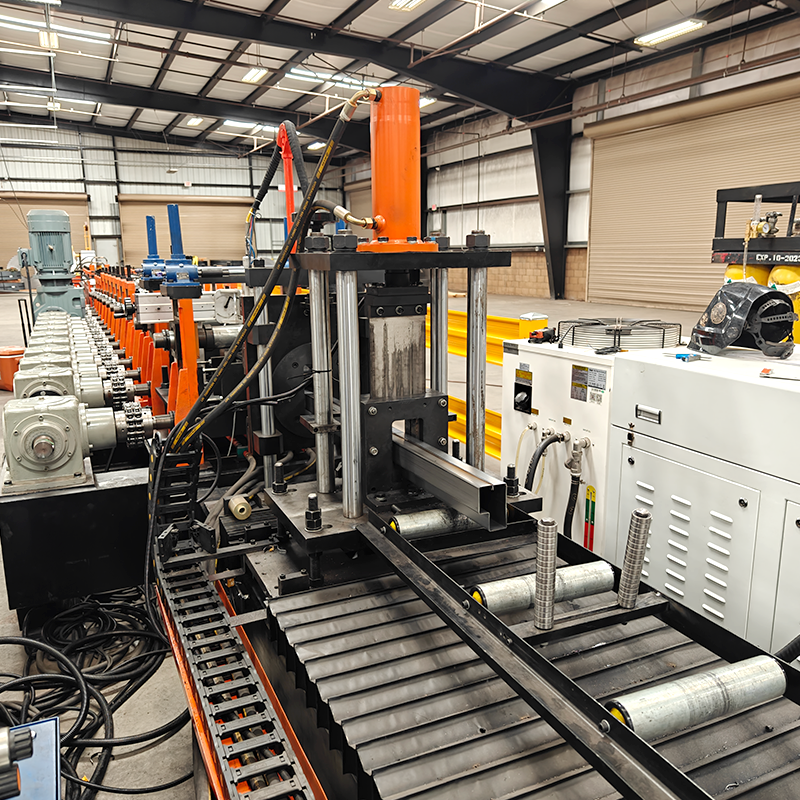
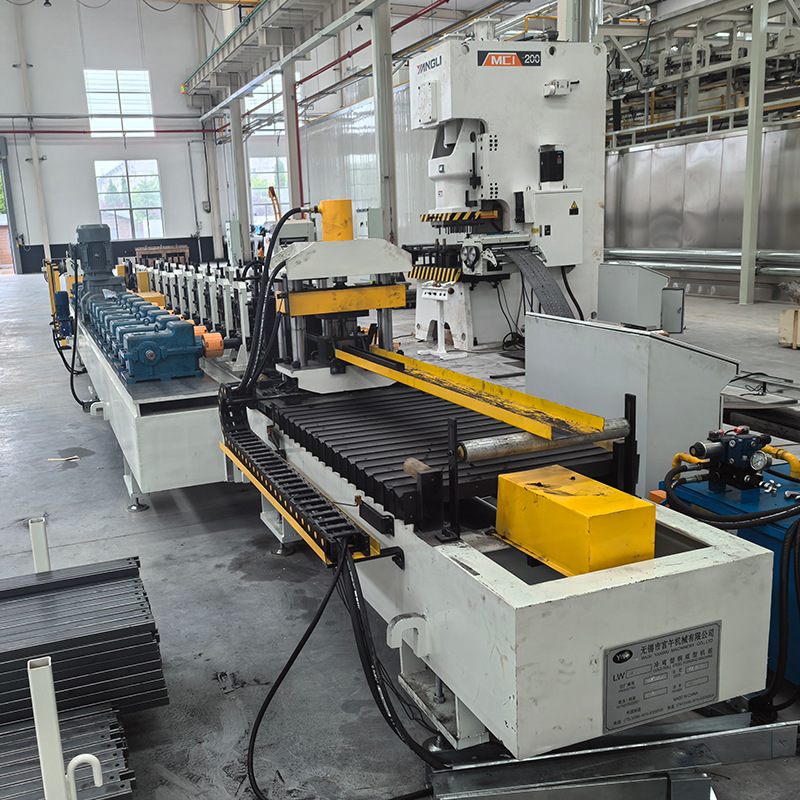
The integrated production line combines multiple processes—including uncoiling, leveling, punching, forming, and cutting—into one system. It utilizes a fully automated PLC control system and features core capabilities such as automatic profile switching, rapid width adjustment, and continuous high-speed forming. The equipment is compatible with a wide range of raw materials, including galvanized steel strip, cold-rolled sheet, hot-rolled sheet, stainless steel, and aluminum. It accommodates strip widths from 60mm to 950mm and thicknesses from 0.6mm to 2.5mm, meeting the production requirements for diverse cable tray products.
Key components are sourced from renowned domestic and international brands, ensuring superior overall performance and long-term operational stability.
II. Application Areas
Cable trays are essential auxiliary products in the electric power and construction industries, widely used in:
Power Systems: Cable laying and support for power plants, substations, and power transmission and distribution projects.
Construction Projects: Power and low-voltage cabling systems for commercial buildings, office complexes, hospitals, schools, and other facilities.
Industrial Facilities: Cable management for power and control systems in various factories and mines.
Rail Transit: Cable tray installations for large-scale infrastructure projects such as high-speed railways and subways.
Communication Facilities: Cable management and protection for data centers and communication base stations.
New Energy Projects: Power transmission and cabling systems for photovoltaic power plants and wind farms.
The equipment is capable of producing a wide range of cable tray types—including trough, solid-bottom (tray), ladder, and covered styles—to meet diverse requirements across various specifications and application scenarios.
III. Production Process
The process flow of the entire production line is as follows:
Uncoiling → Leveling/Flattening → Servo Feeding/Punching → Guided Infeed → Roll Forming → Cut-to-Length → Finished Product Discharge
Description of each stage:
Process Function Description
Uncoiling: Hydraulic uncoiler supports the steel coil (max. load: 10 tons) and is equipped with a pneumatic hold-down arm.
Leveling/Flattening: Multi-roller leveler performs precision flattening of the steel strip, eliminating internal stress to ensure forming accuracy.
Servo Feeding + Punching: The servo system ensures precise feeding positioning; the punch press forms bottom stiffening ribs or various hole patterns.
Guided Infeed: The guiding device automatically aligns and feeds the material, accommodating smooth infeed for steel strips of varying widths.
Roll Forming Modular adjustable forming unit; a single set of rollers produces multiple cable tray specifications, with size changes achieved by adjusting the roll gap and roller settings.
Cut-to-Length: Automatic cutting based on preset lengths using hydraulic or mechanical systems; ensures high precision and clean cut edges.
Finished Product Discharge: Discharge platform receives finished products; ensures a smooth and efficient workflow.
The entire line supports both automatic and manual operation modes, allowing for either synchronized or segmented operation, offering flexibility and ease of use.
IV. Service and Support
As a professional manufacturer of cold roll forming equipment, we provide comprehensive, full-lifecycle services—from initial needs analysis to operational startup:
1. Preliminary Technical Consultation and Solution Design
We provide personalized equipment selection and production line layout plans based on customer product drawings, production capacity requirements, and site conditions.
2. Customized Design and Manufacturing
We support non-standard customization, designing complex, specialized cold roll forming units tailored to specific customer requirements. Every stage—from roll tooling design and forming process simulation to equipment manufacturing—is fully controlled.
3. Installation, Commissioning, and Operational Training
Following equipment delivery, we dispatch professional engineers to the site for installation and commissioning. We also provide systematic training for the customer's operators to ensure rapid startup and stable production line operation.
4. After-Sales Technical Support
We offer long-term technical consultation and spare parts supply services to ensure the equipment operates reliably throughout its entire lifecycle.
5. Continuous Optimization and Upgrading
We provide value-added services—such as equipment retrofitting and capacity enhancement—to adapt to changing production needs.
V. Core Advantages
1. Multi-functional and Flexible Production
The equipment utilizes a modular, adjustable forming structure; a single set of rollers can produce cable trays of various specifications. Size adjustments are achieved by modifying the forming machine's opening width and roller settings. Products of different widths and heights can be accommodated via automatic motor adjustments, with changeovers completed simply by entering parameters on the touchscreen—truly realizing the concept of "one set of tooling, multiple products."
2. High Speed and Efficiency; Industry-Leading Capacity
In-line punching speed: 2.5–5 m/min
Continuous forming speed: 10–15 m/min
Punching rate: 60–90 strokes/min, significantly boosting production efficiency
3. Robust, Durable, and Reliable
Forming stands feature a cast-iron structure subjected to tempering treatment, ensuring high strength and a long service life.
Roller shafts are made of 40Cr steel, heat-treated (quenched and tempered) to a hardness of HB280.
Forming dies are made of GCr15 steel, hardened (quenched) to HRC 56–62.
The drive system utilizes gearboxes; each forming stand is equipped with an independent gearbox, ensuring stable, high-intensity operation over long periods.
The machine bed is a welded steel plate structure subjected to tempering to eliminate internal stress and prevent deformation.
4. Intelligent Control and Easy Operation
Features fully automatic PLC control with multiple safety protection systems. The touchscreen HMI allows for intuitive and convenient parameter setting, significantly reducing operator skill requirements.
5. Space-Saving and Compact Layout
The entire line features a rational, compact design with a small footprint, making it suitable for various factory layouts.
6. Eco-friendly, Low-Noise, and Energy-Efficient
Low operating noise; meets green, eco-friendly, and energy-saving production standards.
 English