I. Equipment Introduction
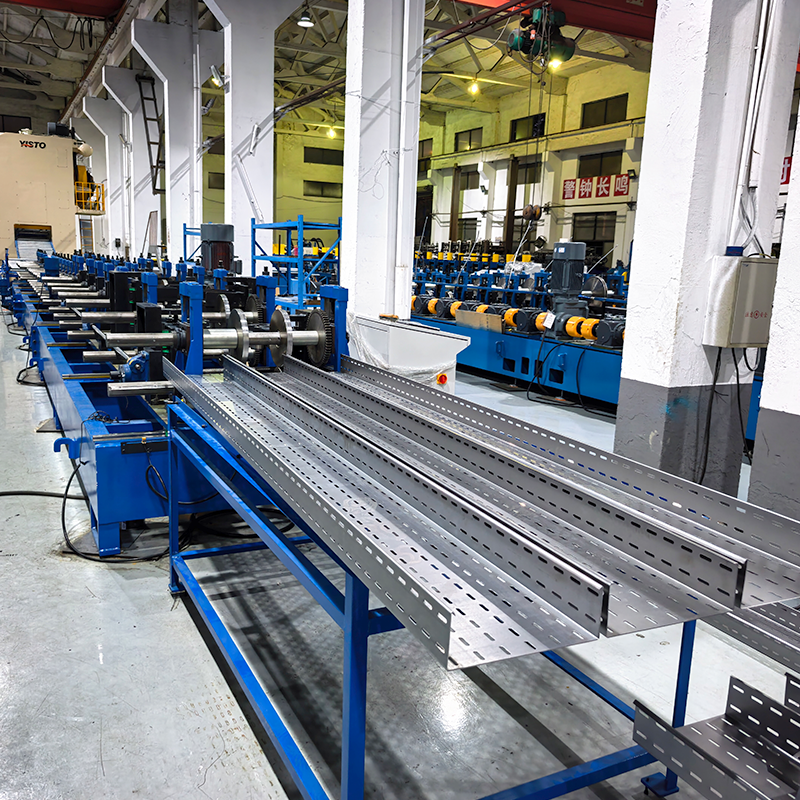
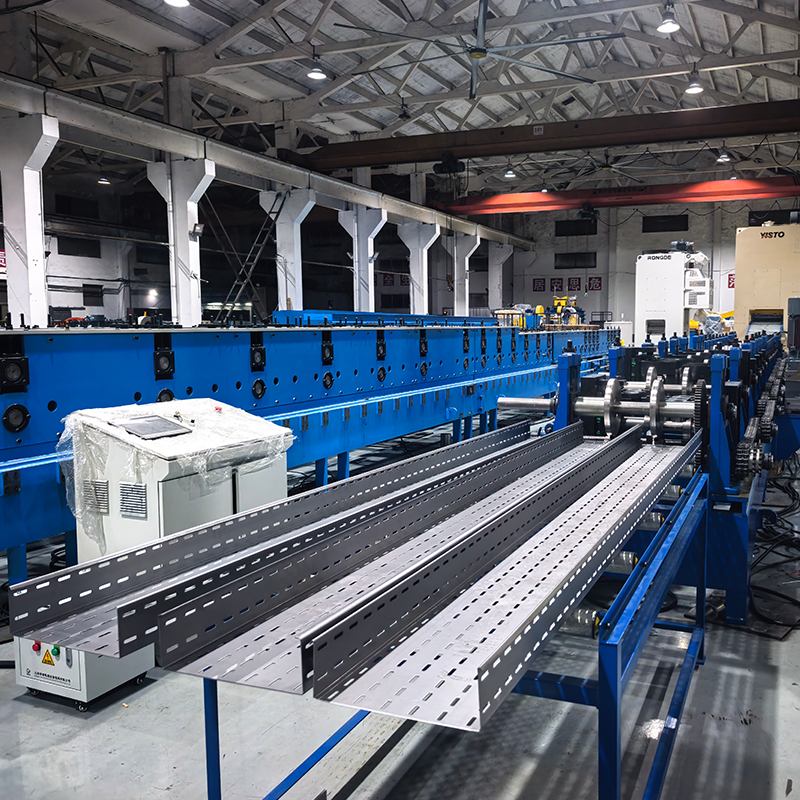
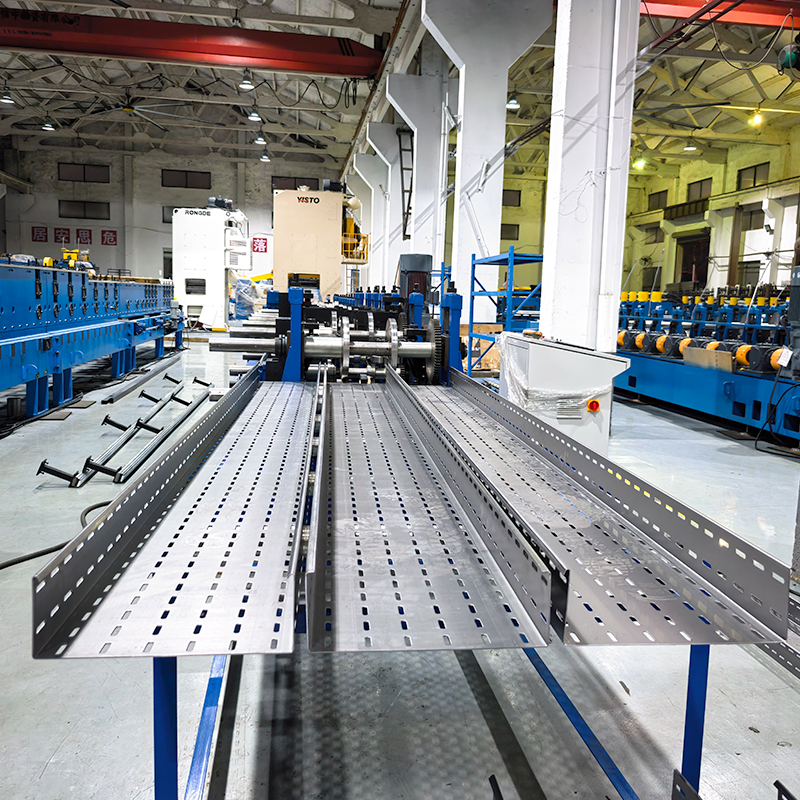
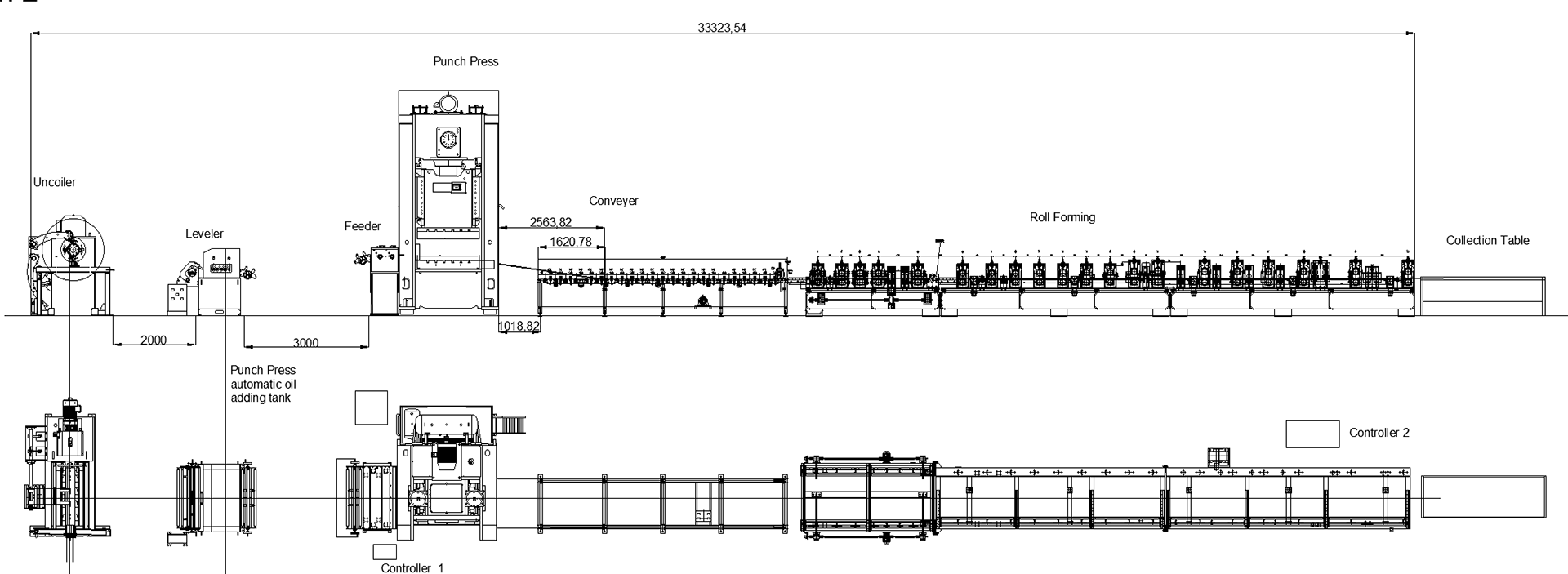
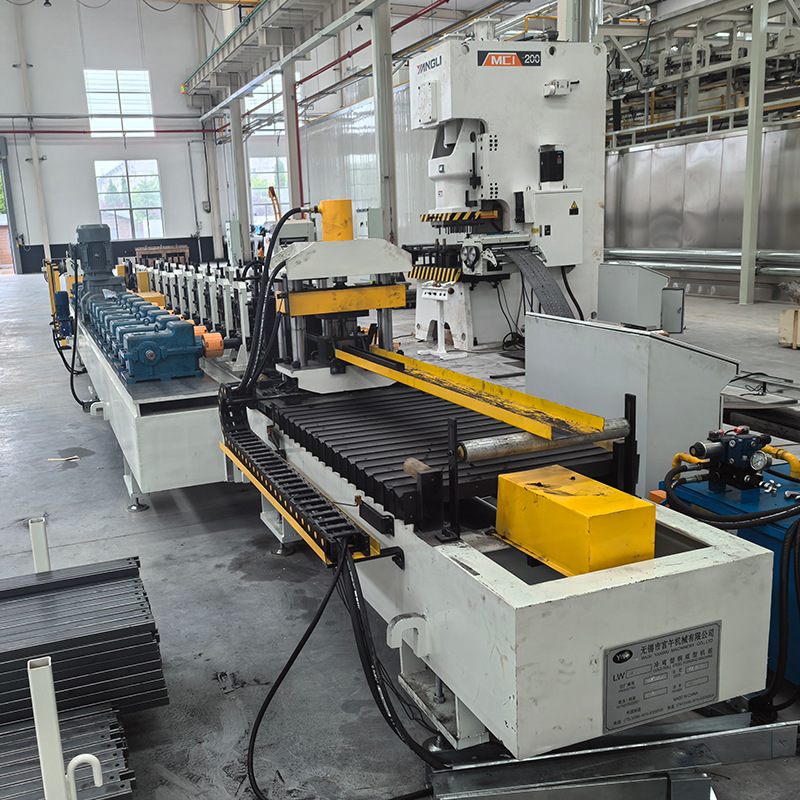
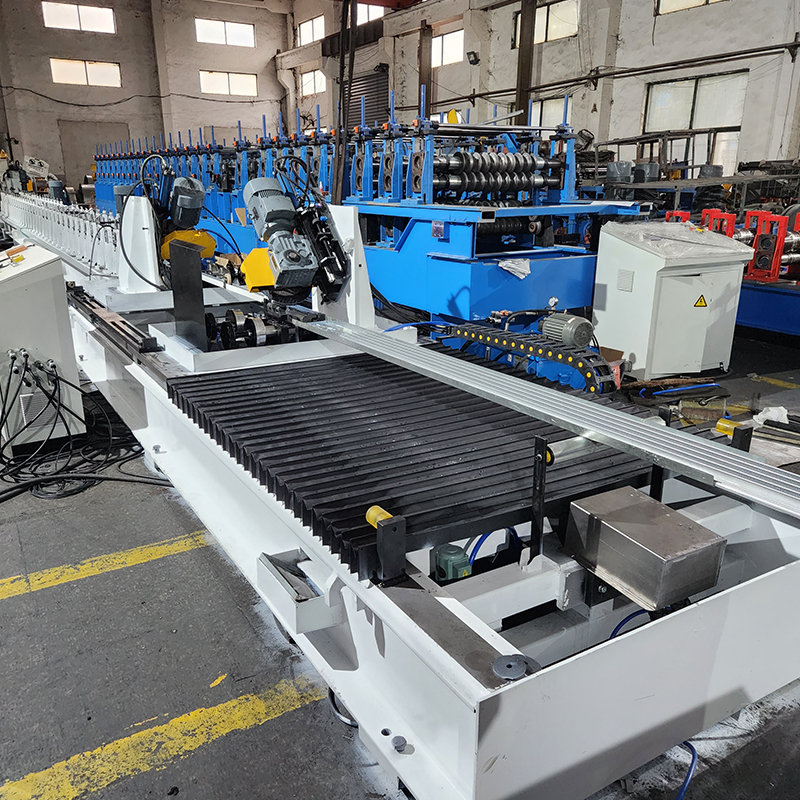
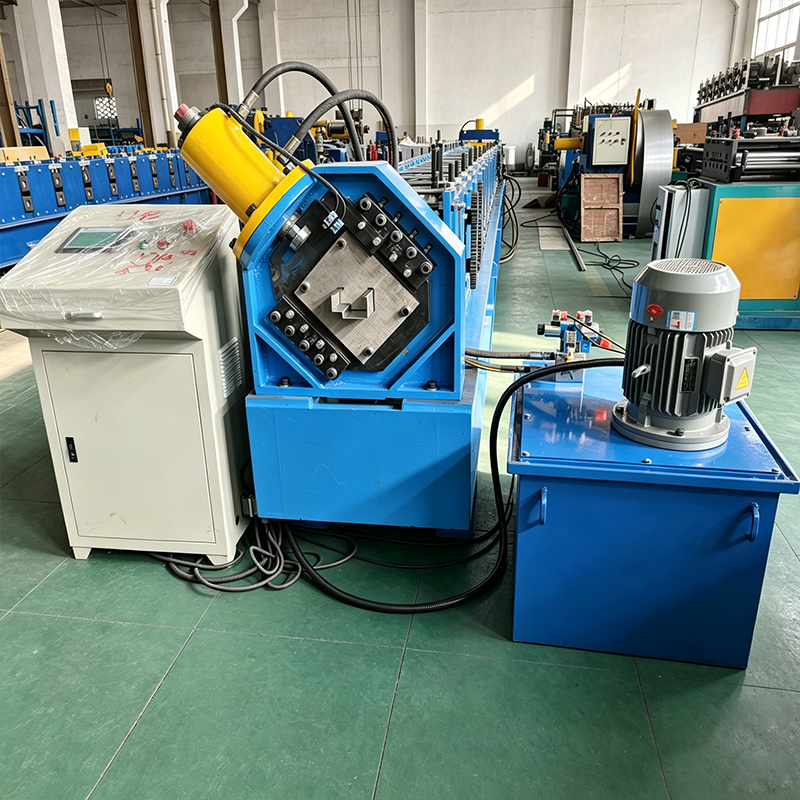
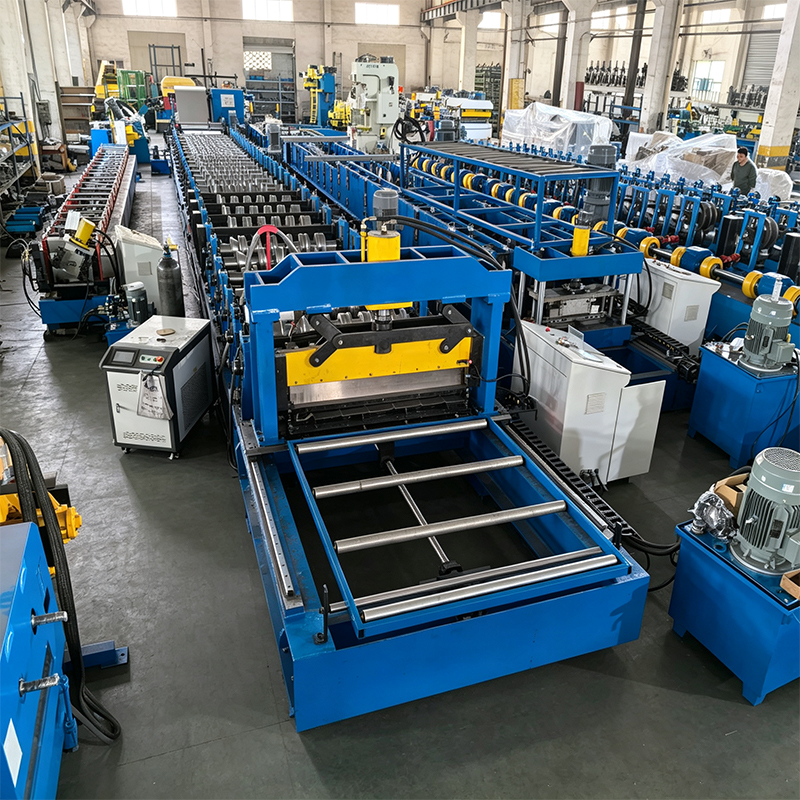
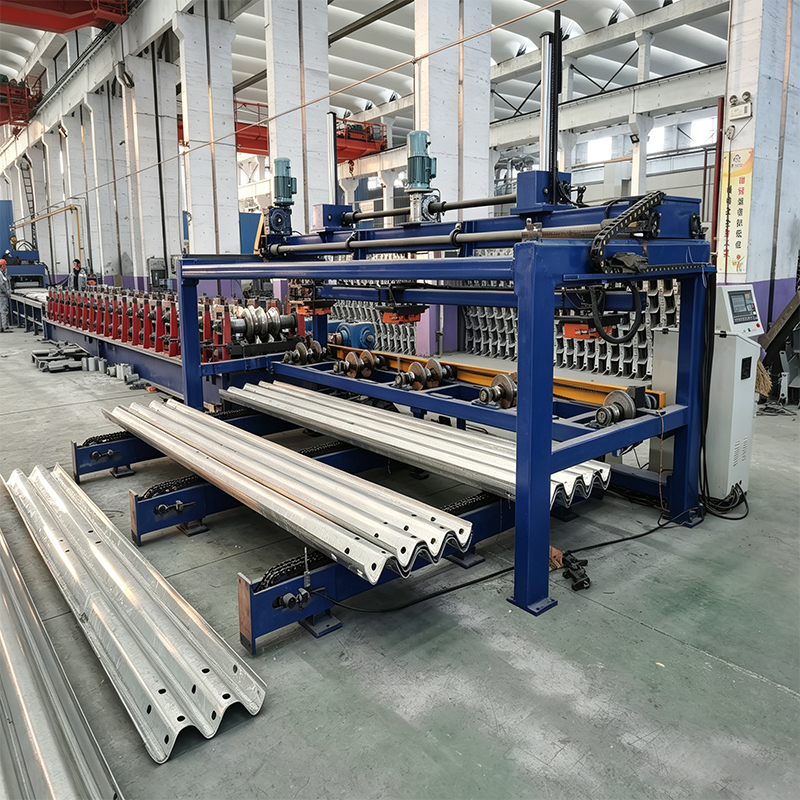
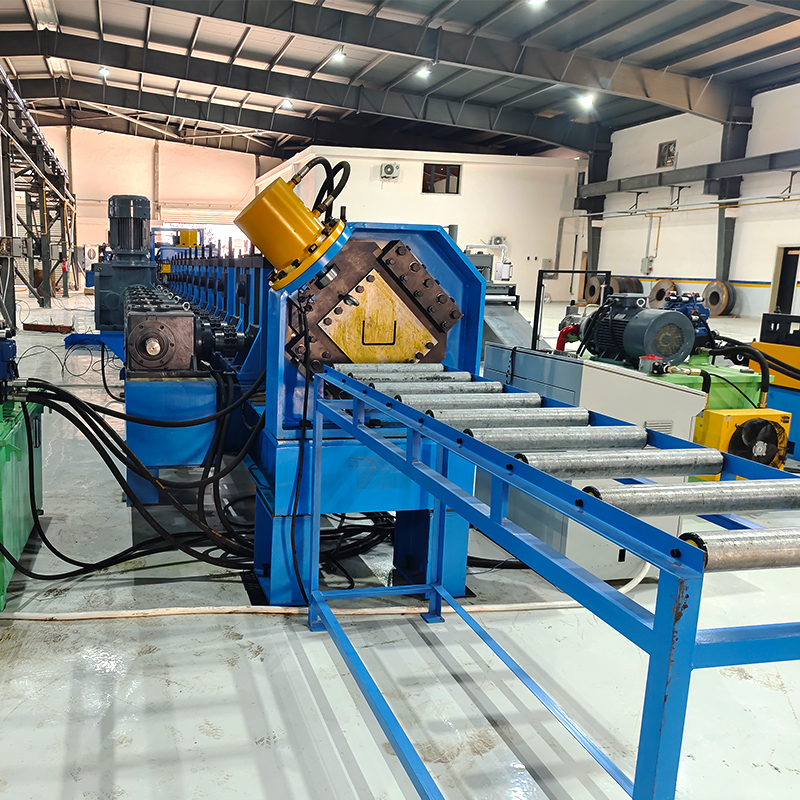
The Middle East Cable Tray Roll Forming Machine is an automated cold-roll forming system designed specifically to manufacture perforated cable trays that meet the requirements of the Middle East market. Utilizing a continuous cold-roll forming process, the equipment integrates uncoiling, leveling, punching, forming, and cutting into a single, streamlined operation, directly producing finished perforated cable trays from steel coil stock.
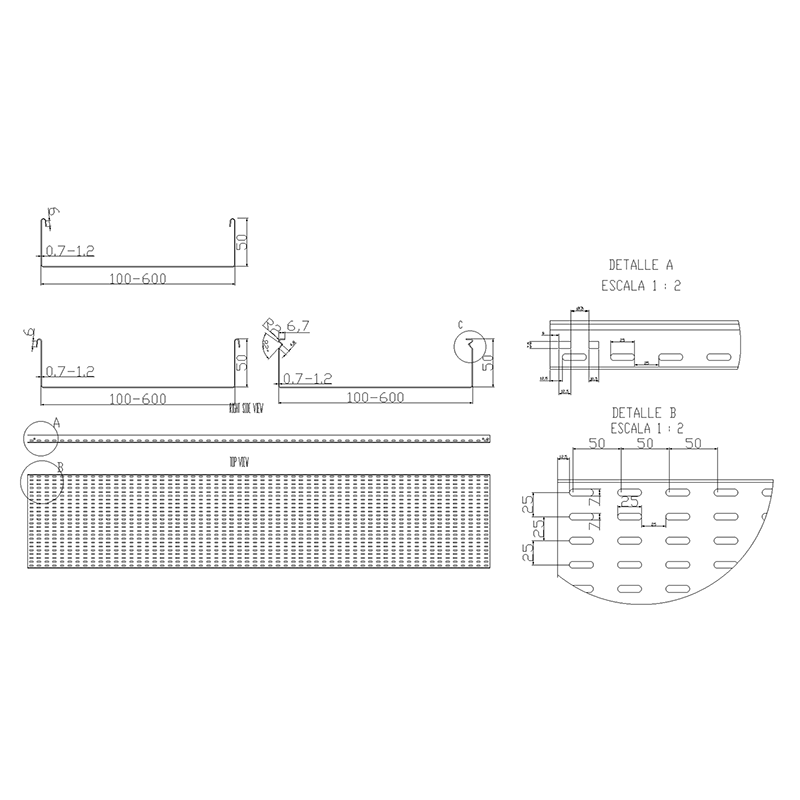
The entire line features fully automatic PLC control and a modular, adjustable forming unit; a single set of rollers accommodates multiple specifications, with width and height adjustments performed automatically by motors, enabling rapid profile changes via touchscreen parameter input. The system is compatible with various materials—including pre-galvanized steel, hot-dip galvanized sheet, stainless steel, and aluminum-magnesium-zinc alloy—and supports a specification range of 50–900 mm in width and 15–150 mm in height.
Perforated cable trays feature a base and side panels densely arranged with uniform ventilation holes. While structurally similar to solid-bottom (non-perforated) trays, they are distinguished by the dense pattern of holes in the base. This design offers multiple advantages, including superior ventilation and heat dissipation, reduced weight, and ease of installation, making them widely used in projects across the Middle East—such as petrochemical facilities, power and energy plants, data centers, and photovoltaic power stations.
II. Core Advantages and Selling Points
1. Excellent Heat Dissipation, Extending Cable Lifespan
The dense perforation structure creates air convection channels, significantly improving heat dissipation efficiency. This design effectively lowers cable temperatures and slows the aging of insulation layers. This advantage is particularly pronounced in the high-temperature environments of the Middle East (where summer surface temperatures can exceed 50°C); for every 10–15°C reduction in operating temperature, the cable's service life can be substantially extended. The dense perforation design ensures maximum heat dissipation and airflow, effectively preventing the derating of current-carrying capacity caused by overheating.
2. Lightweight Design, Reducing Overall Costs
Strategic perforation of the metal material reduces material usage and effectively lowers the weight of the cable tray. Lightweight trays facilitate easier transport and installation, reduce the load on supports and hangers, and lower overall project costs. While providing necessary cable support and protection, these trays offer superior ventilation and heat dissipation; they are lightweight, cost-effective, and easy to maintain. Achieving equivalent load-bearing capacity with less material makes them ideal for long-distance, wide-span outdoor installations in the Middle East.
3. Superior Corrosion Resistance, Suited for Harsh Middle Eastern Environments
The Middle East's climate—characterized by high temperatures, high salinity (salt spray), and intense sand and dust—demands exceptional corrosion resistance. Middle East/GCC standards build upon IEC requirements by adding specifications for high-temperature adaptability (≥55°C) and dust/moisture protection (IP54). These trays offer various surface treatment options, including pre-galvanized steel, hot-dip galvanizing (HDG), electrostatic powder coating, and aluminum-magnesium-zinc coating. Zinc coating thicknesses meet salt spray test requirements (e.g., ≥12μm). Compatible with materials such as Q235 carbon steel and 304/316 stainless steel, the products ensure stable, long-term operation in harsh conditions, including petrochemical facilities, marine environments, and desert regions.
4. Flexible Cabling and Easy Maintenance
The dense perforation design offers greater flexibility for cable securing and adjustment; the uniform holes in the base and side panels facilitate the use of cable ties, cable breakouts, and future system expansions. These trays are well-suited for complex engineering environments and offer high space utilization efficiency. Cables can be routed directly out through existing openings in the side walls, eliminating the need for additional drilling and simplifying installation and maintenance.
5. Versatile and Flexible Production
A single set of rollers accommodates multiple specifications; changing product types does not require replacing the entire tooling set—adjustments to the roll gap and roller position via the motor suffice.
Capable of producing cable trays with dense perforation patterns in various widths, heights, and thicknesses.
Punching dies feature a quick-change drawer-style design, minimizing downtime to just a few minutes.
Flexible switching and rapid order response make it ideal for high-mix, low-volume production needs.
6. High Efficiency, Stability, and Leading Productivity
Punching speed: 60–90 strokes/minute
Forming speed: 10–15 meters/minute
Servo-driven feeding ensures precise positioning and reduces material waste.
Gearbox transmission with independent drives for each stand ensures stable, high-intensity operation over long periods.
7. Intelligent Control and Ease of Operation
Fully automated PLC control with a touchscreen HMI makes parameter setting intuitive and convenient.
Switching specifications requires only numerical input, with adjustments performed automatically.
Significantly lowers operator skill requirements.
III. Application Areas
Thanks to their comprehensive advantages—such as excellent heat dissipation, a lightweight yet high-strength build, and corrosion resistance—perforated cable trays are widely used in the Middle East across the following sectors:
Petrochemical Industry: Refineries, chemical plants, and offshore platforms—offering superior corrosion resistance and suitability for high-temperature, high-salinity environments.
Power Systems: Power plants, substations, and power transmission and distribution projects—the perforated design ensures adequate heat dissipation for large-cross-section power cables.
Photovoltaic (PV) Plants: Large-scale ground-mounted PV stations—lightweight design reduces the load on support structures, while heat dissipation capabilities ensure stable cable operation in high-temperature environments.
Data Centers: Cable management for server rooms and communication base stations—the perforated structure maximizes airflow, preventing cable overheating and the associated need for current derating.
Rail Transit: Cable support and protection for high-speed rail, metro stations, and tunnels.
Construction Projects: Power and low-voltage cabling systems for commercial complexes, office buildings, hospitals, etc.—featuring an aesthetically pleasing appearance, simple structure, and ease of installation.
IV. Production Process
Uncoiling → Leveling/Flattening → Servo Feeding/Punching/Cutting → Conveyor Roller Table → Guided Infeed → Roll Forming → Finished Product Discharge
Process Step Description
Uncoiling: Hydraulic uncoiling to support and feed the steel coil
Leveling/Flattening: Multi-roller leveling to eliminate internal stress and ensure forming precision
Servo Feeding + Punching Precise positioning; simultaneous punching of dense hole patterns; punching speed of 60–90 strokes/minute
Guided Infeed: Automatic material guiding and alignment; accommodates varying widths
Roll Forming: Modular, adjustable forming unit; one set of rollers covers multiple specifications
Fixed-Length Cutting: Automatic length measurement and hydraulic cutting; produces clean, smooth edges
Finished Product Discharge: Output of finished products; smooth, continuous line operation
V. Service & Support
Solution Design: Personalized equipment selection and production line layout based on client drawings, capacity requirements, and Middle East market standards.
Custom Manufacturing: Support for non-standard customization, with full control over the entire process—from roll design to complete line manufacturing.
Installation & Commissioning: On-site installation, commissioning, and operator training provided by engineers to ensure rapid production startup.
After-Sales Support: Long-term technical consultation and spare parts supply; engineers hold valid visas and are available for on-site service worldwide at any time.
Standards Support: Provision of technical documentation confirming compliance with IEC61537 standards, assisting clients in obtaining Middle East certifications such as DEWA and GCC.
VI. Why Choose Us
Nearly 20 years of manufacturing experience: Mature technology, refined processes, and reliable quality
Direct manufacturer: No middlemen, offering excellent value for money
Middle East market expertise: Deep understanding of the corrosion resistance and heat dissipation requirements for cable trays in the region's high-temperature and high-salinity environments
International manufacturing standards: Strict adherence to IEC61537 standards and full CE certification
Strong custom engineering capabilities: Ability to design various complex cold-roll forming lines tailored to specific needs
Global service network: Engineers with ready travel visas and rapid response capabilities
 English