I.Equipment Introduction
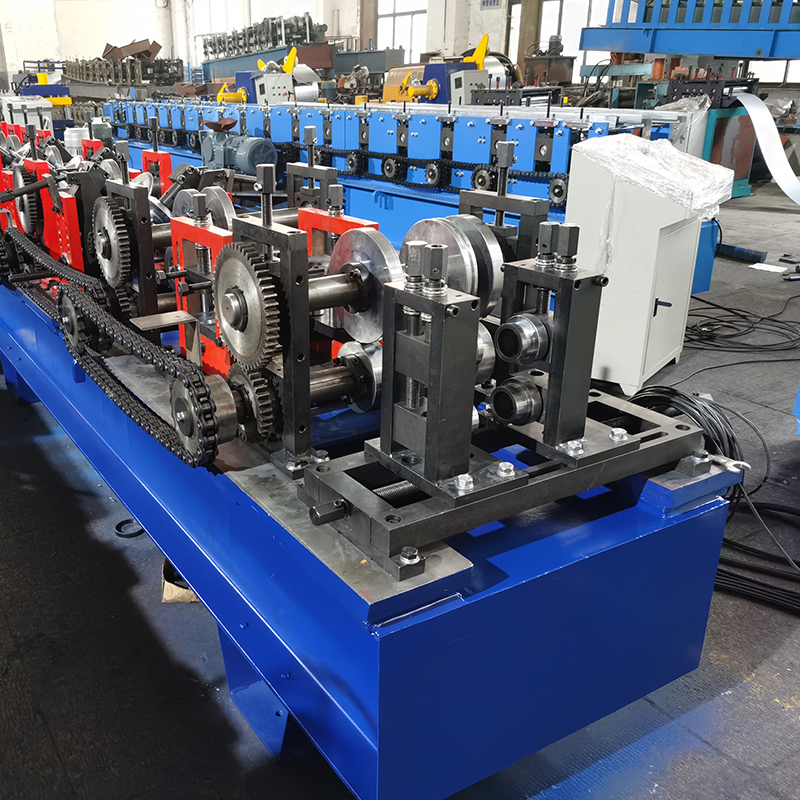
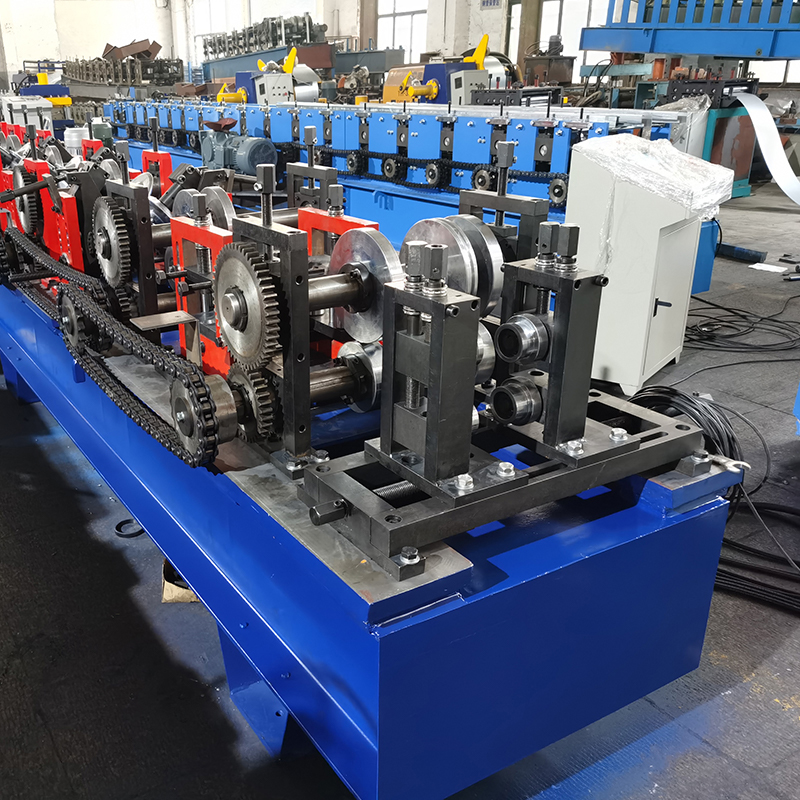
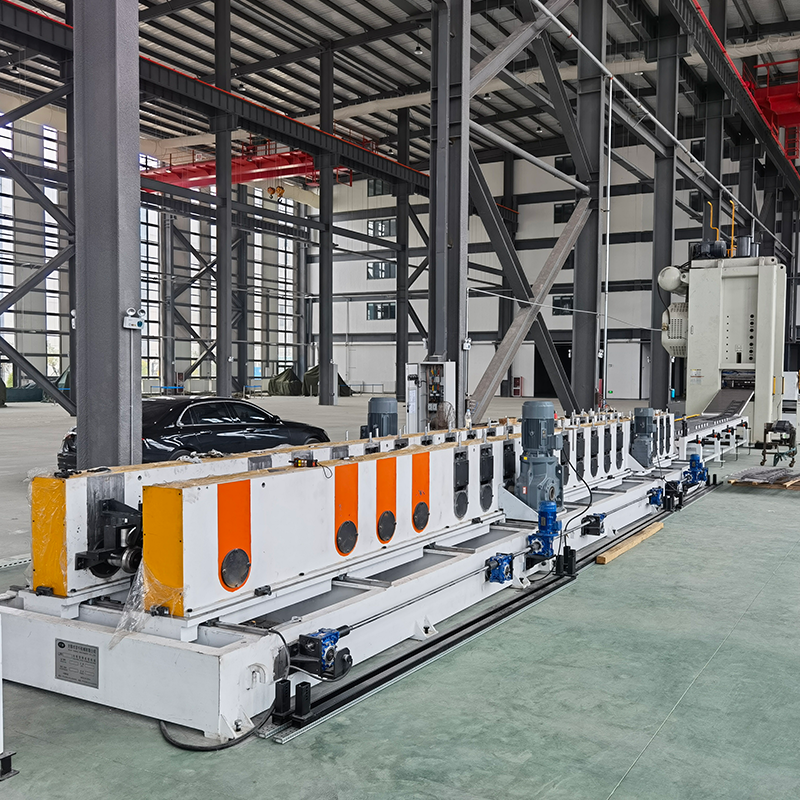
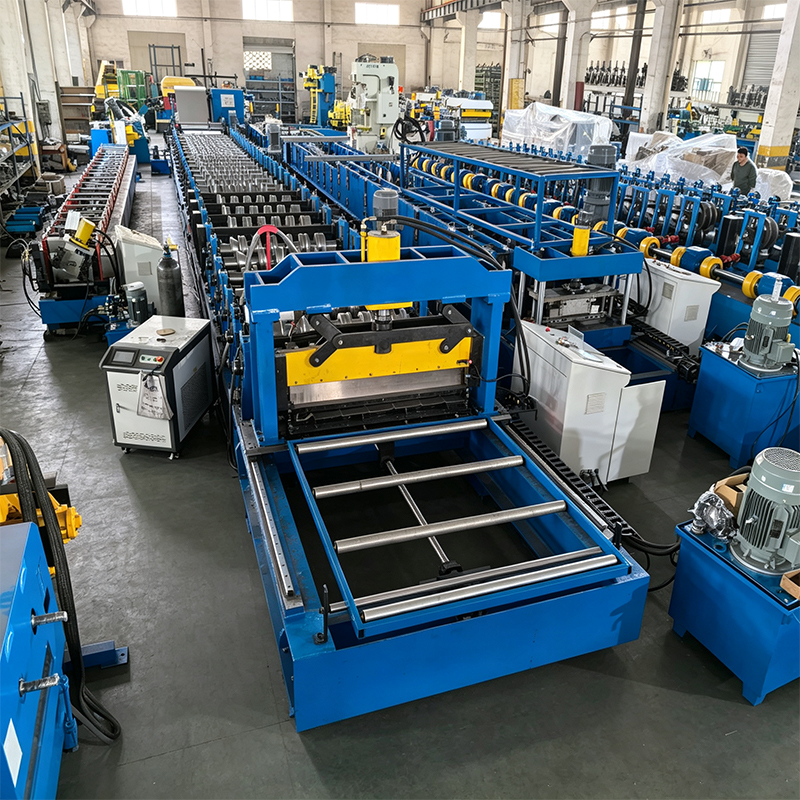
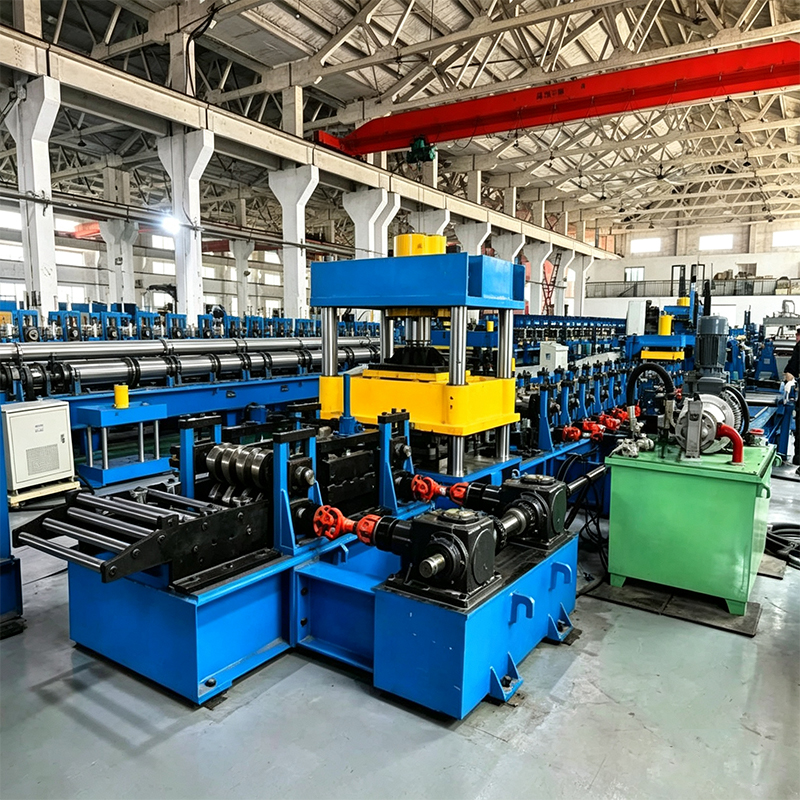
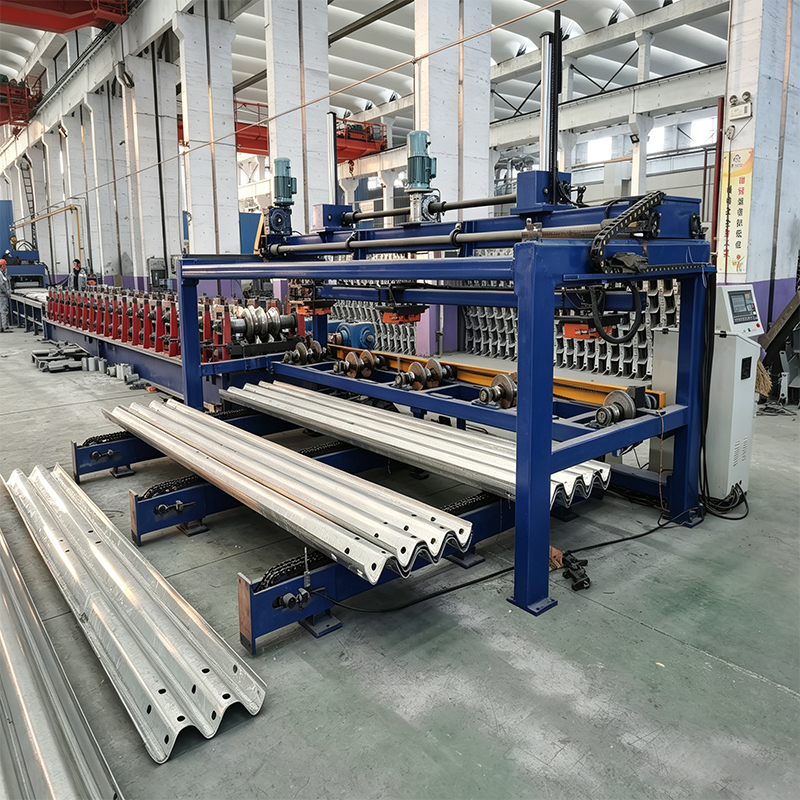
The C/U Quick-Change Roll Forming Machine is specialized cold-roll forming equipment designed for the production of C-channel and U-channel purlins. These profiles are fundamental components widely used in photovoltaic mounting systems, warehouse racking, and steel structural frameworks; the precision of their cross-sections and dimensional consistency directly determine the quality of subsequent assembly and structural safety.
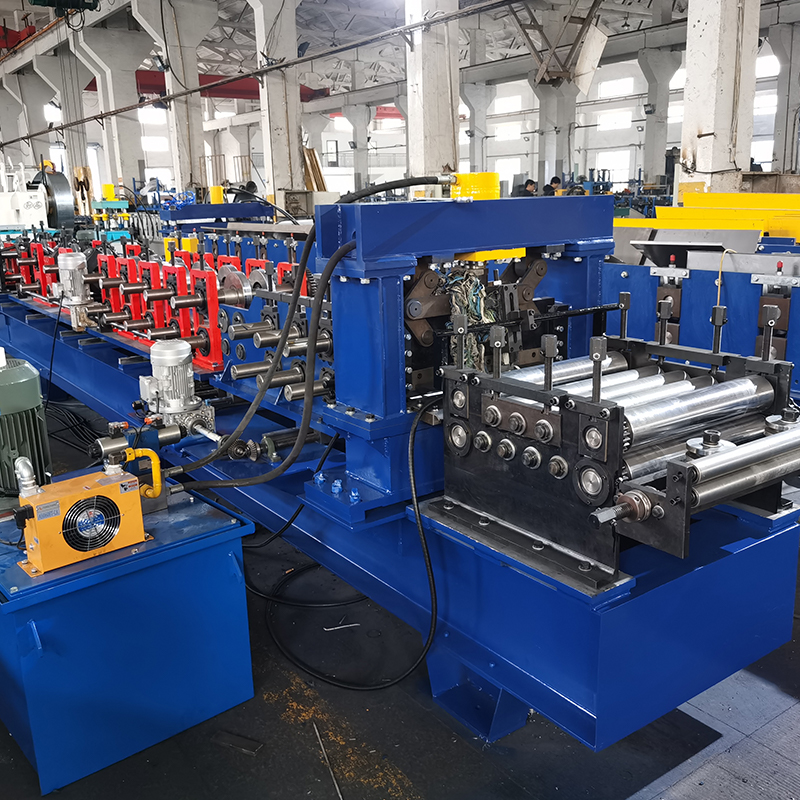
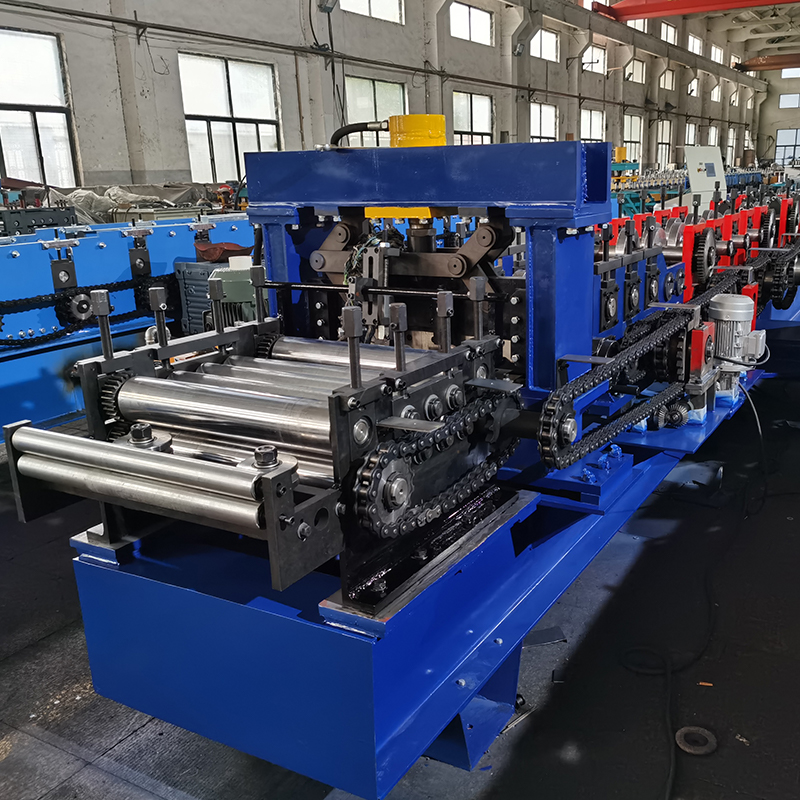
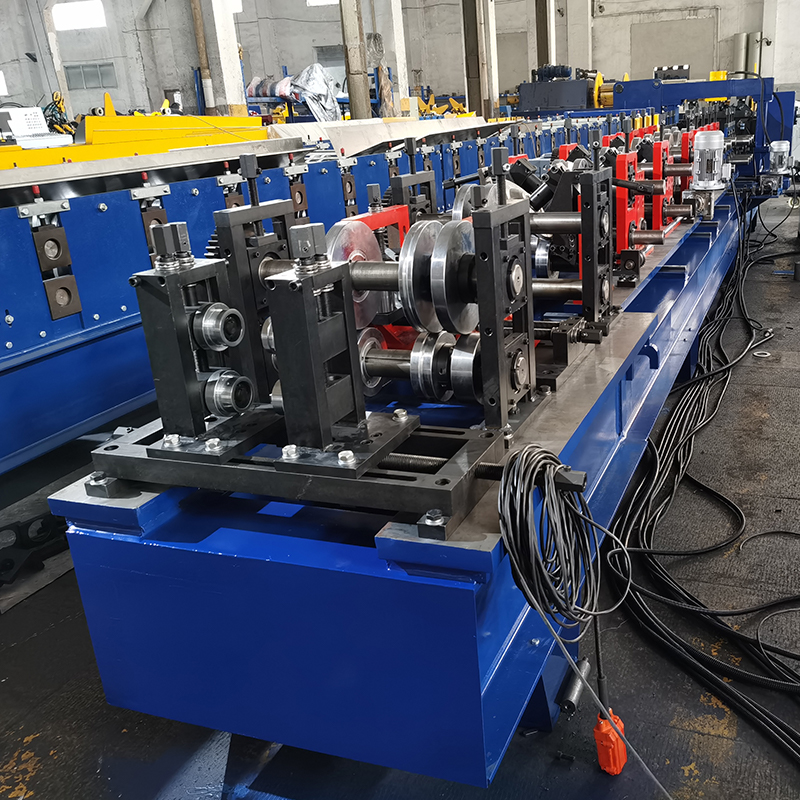
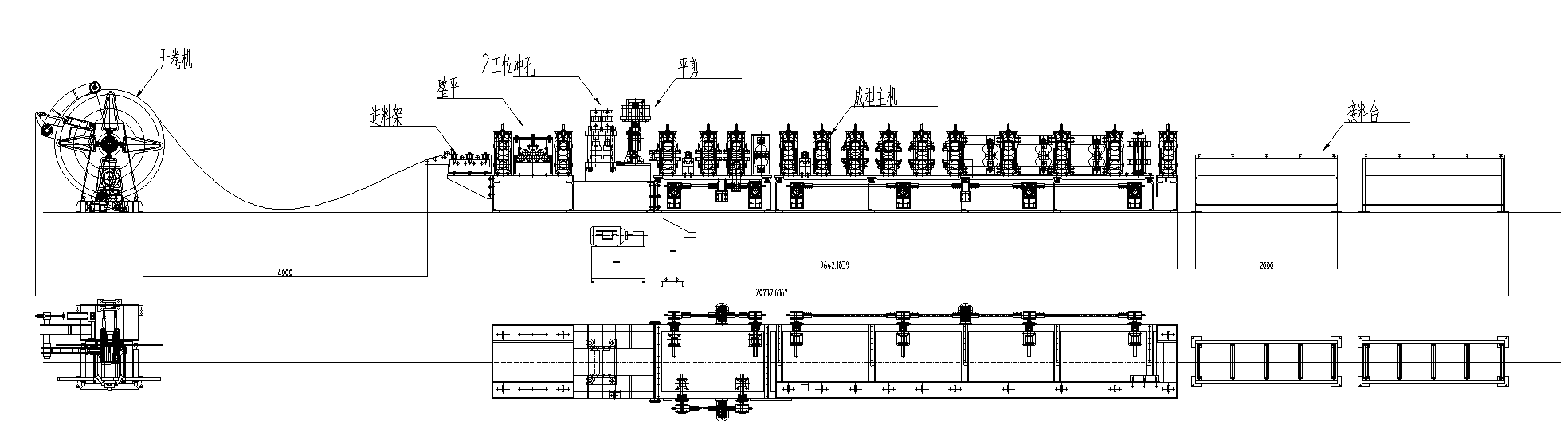
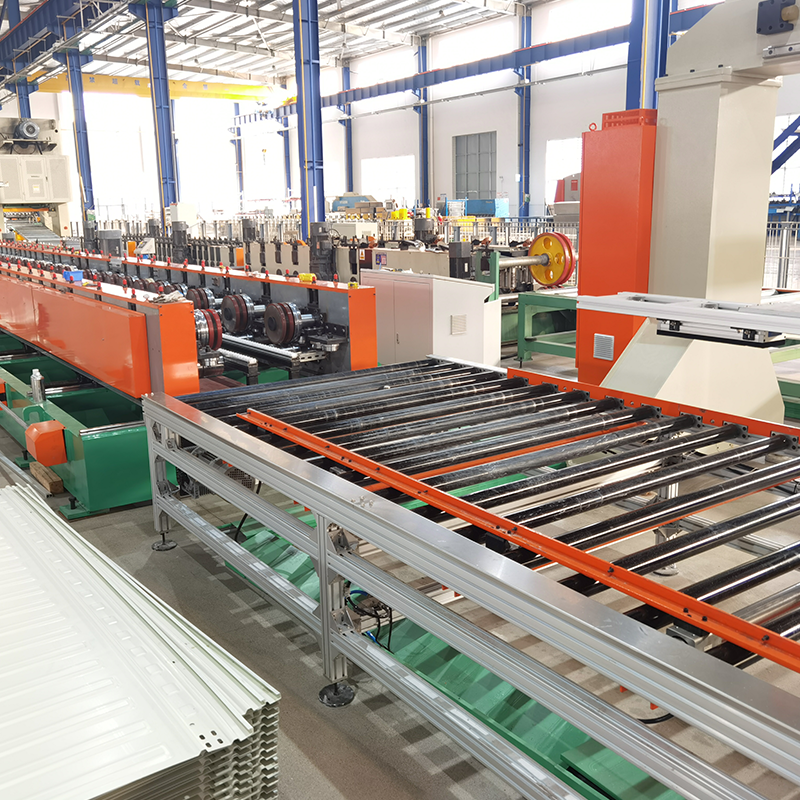
Utilizing a continuous cold-roll forming process, the equipment integrates hydraulic uncoiling, guided feeding, leveling, hydraulic pre-cutting, roll forming, and an exit table into a single streamlined workflow, directly producing finished C-channel or U-channel profiles.
Unlike conventional processes that cut the material after forming, this machine employs a hydraulic pre-cutting method: the strip is leveled and cut to a precise length before entering the forming unit. This process is ideal for applications requiring individual sheet forming, particularly where high-quality cut edges are essential or where flexible integration with punching operations is needed. The entire line features fully automated PLC control and a touchscreen HMI, ensuring continuous, automated operation from uncoiling to the discharge of finished products.
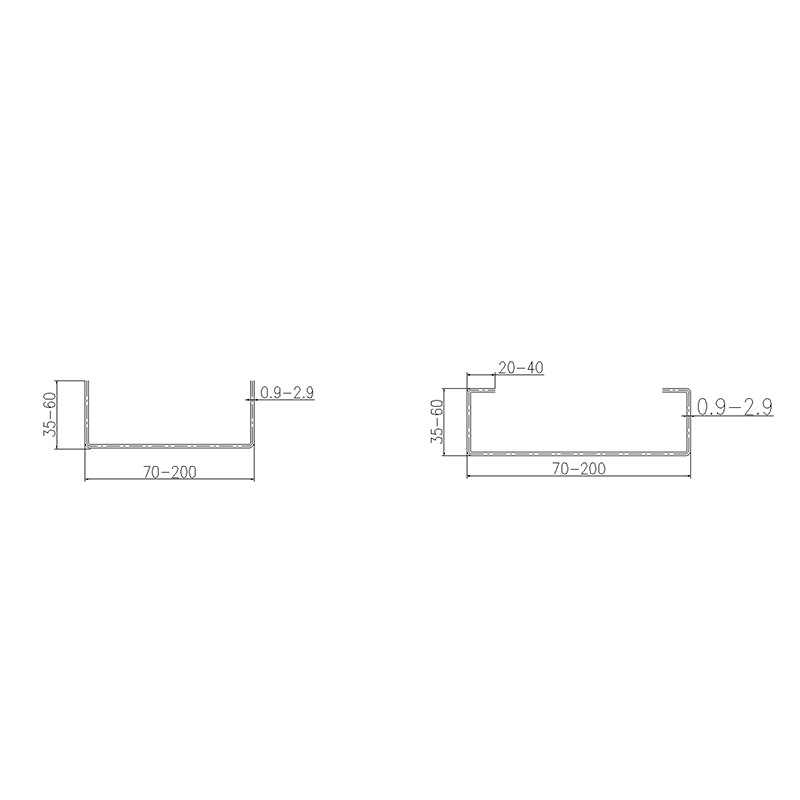
A single machine can produce both C-channel and U-channel profiles, enabling "two-profile capability on one machine" and flexible production. It accommodates various materials—such as galvanized steel, Al-Zn coated steel, and black steel strips—with thicknesses ranging from 1.0 mm to 3.0 mm, and can manufacture specifications including C80–300 and U80–300 profiles (widths of 80–300 mm). Requiring only one operator, this equipment is a core asset for manufacturers in sectors such as photovoltaic mounting, warehouse racking, and light steel structures, helping to reduce costs and enhance efficiency.
II. Core Advantages and Selling Points
(1) Dual-Profile Capability, Flexible Production
This is the core advantage distinguishing this equipment from conventional single-specification production lines.
Traditional cold-roll forming equipment is typically customized for a single specification; changing profiles requires dismantling rollers and repeated adjustments, resulting in high costs and long downtimes. This machine features a modular design, enabling the production of both C-channel and U-channel profiles on a single unit. It accommodates various specifications, covering a common width range of 80–300mm. Profile switching is achieved via a one-touch operation on the PLC touchscreen. No mold changes or specialized technicians are required; standard operators can perform the switch. This significantly boosts equipment utilization and drastically shortens lead times for small-batch, customized orders.
(2) Pre-forming Cut-to-Length, Enhanced Process Flexibility
The machine utilizes a hydraulic pre-cutting process: the steel strip is precisely cut to the set length after leveling but before entering the forming unit for cold-roll shaping. This approach is particularly well-suited for production requirements involving individual sheet forming. Compared to post-forming cutting, this process offers several advantages:
Superior cutting quality: Cutting in the flat-sheet state ensures a smooth cut surface free from angular distortion or burrs, with a cutting precision of < ±0.5 mm.
No need for online tracking: Cutting occurs while the material is stationary or moving at low speed, resulting in a simpler, more reliable system.
Flexible process integration: Easily coordinates with punching, embossing, and other processes to meet diverse manufacturing needs.
Suitable for thick plates: For 1–3mm thick plates, flat-sheet cutting requires less force and extends mold lifespan compared to cutting the formed profile.
Broad material adaptability: Effectively prevents dimensional deviations caused by profile springback that can occur during post-forming cutting.
(3) High-Precision Forming, Exceptional Quality
The machine employs a multi-pass progressive cold-roll forming process. Precision algorithms optimize mold design and forming parameters, ensuring product accuracy at the source. Forming precision reaches ±0.5mm, meeting industry standards for applications such as photovoltaic mounting systems, warehouse racking, and steel structural components. Key components are made from Cr12MoV die steel subjected to vacuum heat treatment, resulting in a roller lifespan three times longer than that of standard rollers. The product meets standards for straightness and twist, effectively preventing installation and splicing errors while ensuring a high pass rate.
(4) High-efficiency production with industry-leading capacity
The integrated line automates the entire process—from uncoiling and leveling to cutting and forming. Operating speeds reach 30 meters per minute (adjustable based on material and thickness), ensuring stable, high-efficiency production. The "cut-before-form" process removes cutting as a bottleneck for line speed, allowing continuous sheet feeding into the forming machine for streamlined, high-efficiency operations. Fully automated production allows a single operator to manage the entire line, resulting in efficiency gains several times higher than traditional production methods.
(5) Significant labor savings and reduced overall costs
Traditional production methods incur high labor costs per ton; in contrast, the CU cold-roll forming machine requires only one operator. The line is highly automated, ensuring continuous operation from uncoiling to discharge. Labor costs are reduced by over 60%, eliminating the inefficiencies and labor-intensive nature of traditional lines. High material utilization and long warranty periods for key components drastically lower operation and maintenance costs.
(6) Cold-roll forming: Cost-effective and energy-saving
Adopting cold-roll forming instead of hot stamping reduces equipment investment costs by approximately 30%. Cold-roll forming eliminates the need for heating equipment and complex temperature control systems, resulting in lower energy consumption. The process takes place at ambient temperature, preserving the material's metallurgical properties and resulting in a more durable, safe finished product. Compared to traditional hot rolling, it saves 30% in material usage while achieving equivalent strength.
(7) Robust, durable, stable, and reliable
The machine frame features a heavy-duty welded steel structure that has undergone aging treatment; it offers high rigidity and excellent vibration resistance, ensuring no deformation during long-term operation.
Rollers are made from high-quality Cr12MoV die steel and undergo vacuum heat treatment, ensuring high hardness and superior wear resistance.
The hydraulic shearing system delivers high force and precision, specifically designed for plates 1–3 mm thick.
Key electrical components utilize internationally renowned brands, such as Siemens PLCs.
Low failure rates and long service life provide a solid foundation for stable, long-term production.
(8) Intelligent control and easy operation
Fully automatic PLC control and a high-definition touchscreen interface enable comprehensive digital management of the entire process. Operators can configure parameters—such as profile specifications, production speed, and cut length—via the interface with a single click, allowing the system to automatically match forming parameters with mold positions. Equipped with real-time monitoring and fault early-warning systems, the unit automatically triggers alarms and displays the cause of any malfunction. Novices require only 1–2 days of training to operate the machine independently. Multiple production tasks can be pre-programmed for automated manufacturing.
III. Technical Parameters
Item Parameter
Applicable materials: Galvanized steel, Al-Zn coated steel, black steel strip, etc.
Material thickness: 1.0–3.0 mm
Forming specifications C80–300 / U80–300 profiles
Dual-profile capability: C-profile + U-profile (one-touch switching)
Forming precision ≤±0.5 mm
Cutting precision ≤±0.5 mm
Operating speed: 30 m/min (varies based on material and thickness)
Cutting method: Hydraulic pre-cutting (cut before forming)
Roller material: Cr12MoV (vacuum heat-treated)
Control system: Fully automatic PLC control
Operators 1 person
IV. Production Process
Hydraulic Uncoiling → Guided Feeding → Leveling Unit → Hydraulic Pre-shearing → Forming Machine → Discharge Table
Process Step Description
Hydraulic Uncoiling: The hydraulic uncoiler supports the steel coil and ensures stable material feeding; maximum load capacity is customizable.
Guided Feeding: Automatic material guiding and alignment correction ensure the steel strip enters the leveling unit in the correct position.
Leveling Unit: Precision leveling via a multi-roller leveler eliminates internal material stress and ensures accuracy for subsequent forming.
Hydraulic Pre-shearing: Cuts the leveled material to the preset length; the flat-blade shear ensures a smooth cut and high precision.
Forming Machine: Multi-pass progressive cold-roll forming; allows one-touch switching between C- and U-profiles, gradually shaping the material into the required cross-section.
Discharge Table: Outputs finished products in an orderly manner.
V. Application Areas
The C- and U-shaped steel products manufactured by CU-profile cold-roll forming machines are widely used in the following sectors:
Photovoltaic (PV) New Energy: Core structural profiles for PV mounting systems and solar tracking mounts—C/U-shaped steel serves as the primary raw material for these structures, with high market demand.
Construction Steel Structures: Structural components such as C/Z-shaped steel purlins, light-gauge steel framing (furring channels/studs), and floor decking.
Warehousing and Logistics: Profiles such as uprights and beams for storage racks—C/U-shaped steel acts as the fundamental component of racking systems.
Seismic Bracing: Core profiles for seismic support systems in buildings.
Automotive Manufacturing: Lightweight automotive profiles such as vehicle body panels and chassis longitudinal beams.
Electrical Engineering: Support structures for the electrical industry, including cable trays and electrical cabinet frameworks.
VI. Service & Support
Solution Design: Personalized equipment selection and production line layout based on customer product drawings, capacity requirements, and target markets.
Custom Manufacturing: Support for non-standard customization, with full control over the entire process—from roll design to complete line manufacturing.
Installation & Commissioning: On-site installation, commissioning, and operator training provided by engineers to ensure rapid production startup.
After-Sales Support: Long-term technical consultation and spare parts supply; engineers hold valid visas and are available for on-site service worldwide at any time.
Continuous Optimization: Equipment modification and capacity upgrade services available to adapt to changing production needs.
VII. Why Choose Us
Nearly 20 years of manufacturing experience: Mature technology, refined processes, and reliable quality
Two profiles, one machine: Handles both C-channel and U-channel steel on a single unit—no need for duplicate investment
Pre-forming cutting process: Cuts flat sheets to precise lengths, ensuring higher accuracy and cleaner edges
High-precision manufacturing: Forming accuracy of ±0.5mm, meeting industry standards across various sectors
High efficiency and energy savings: Operated by one person at a speed of 30m/min, significantly reducing labor costs
Direct manufacturer: No middlemen, offering excellent value for money
Global service network: Engineers hold all necessary visas, ensuring rapid response
 English