I. Equipment Overview
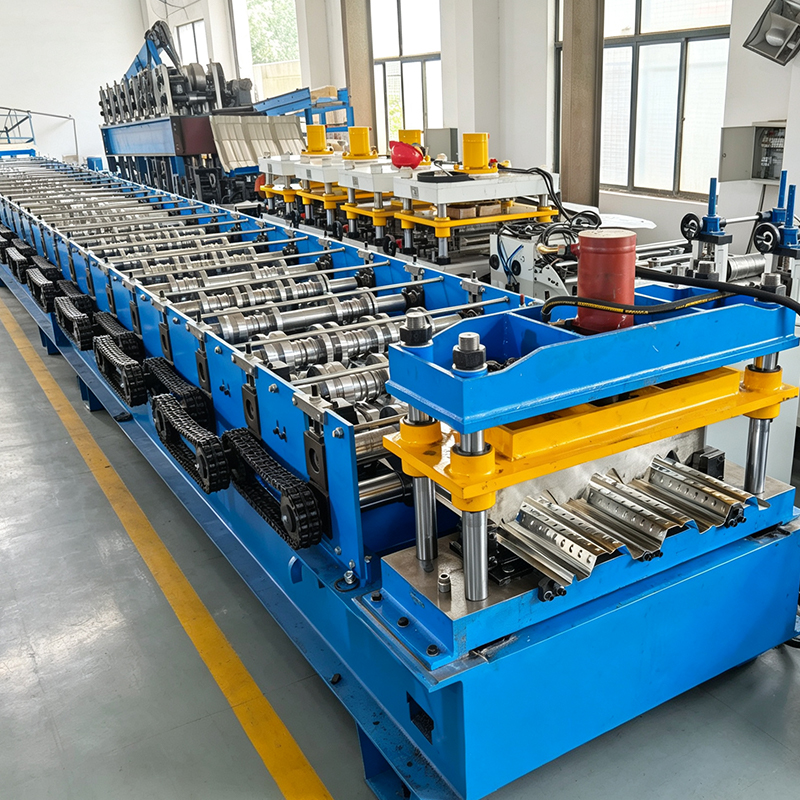
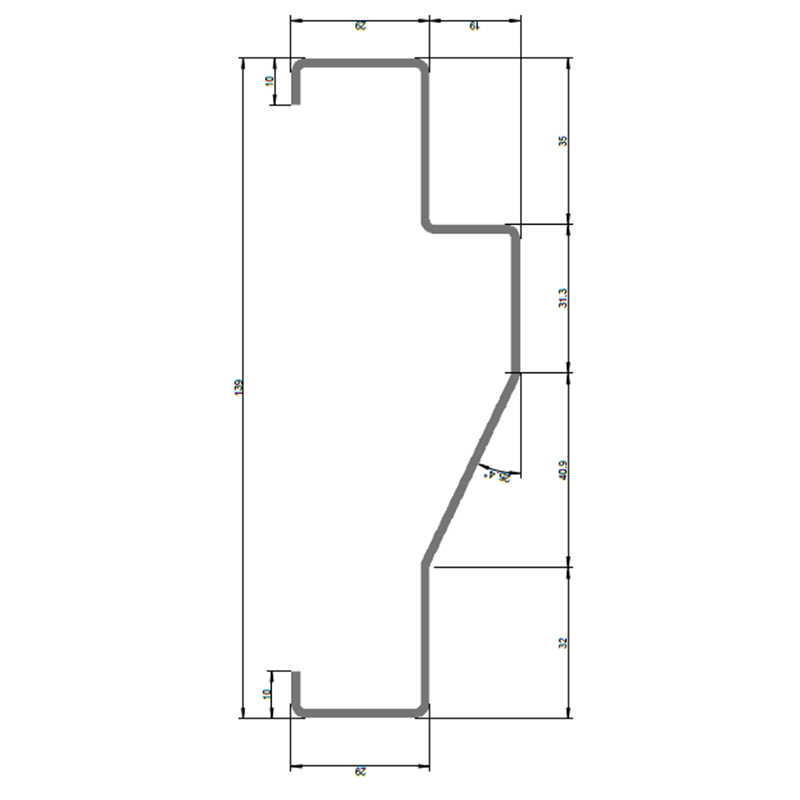
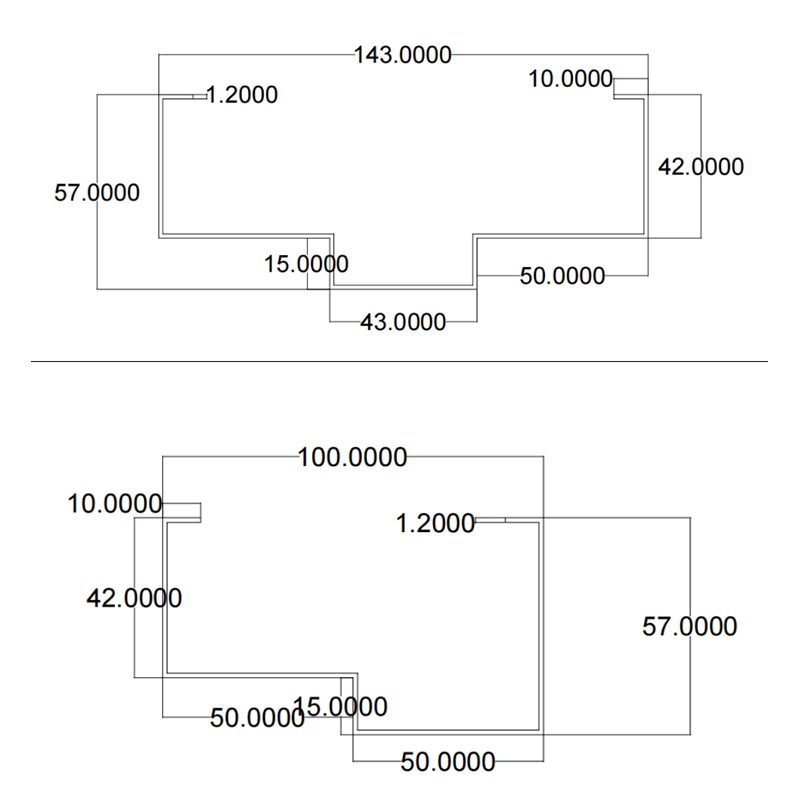
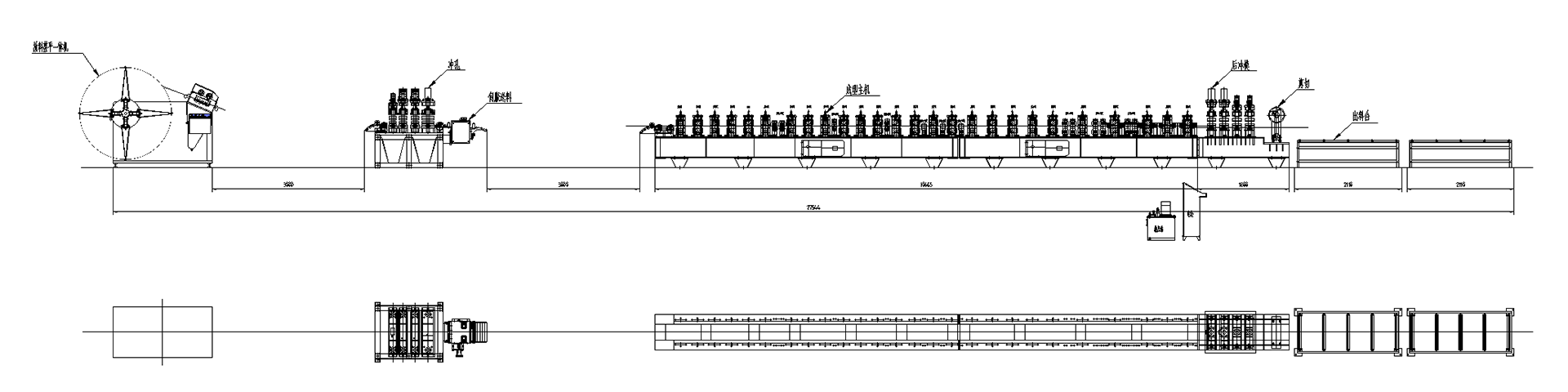
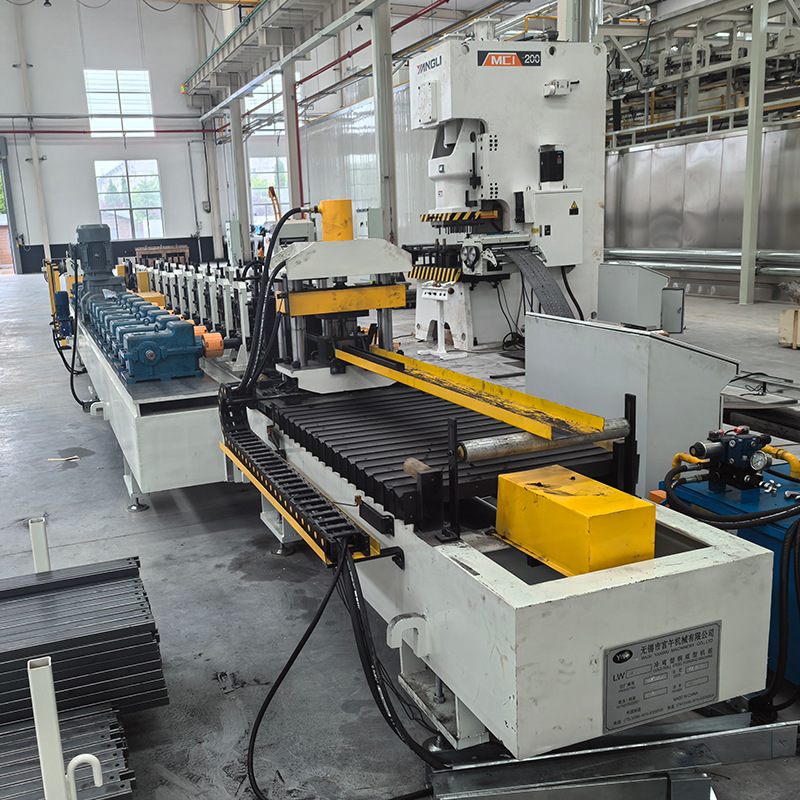
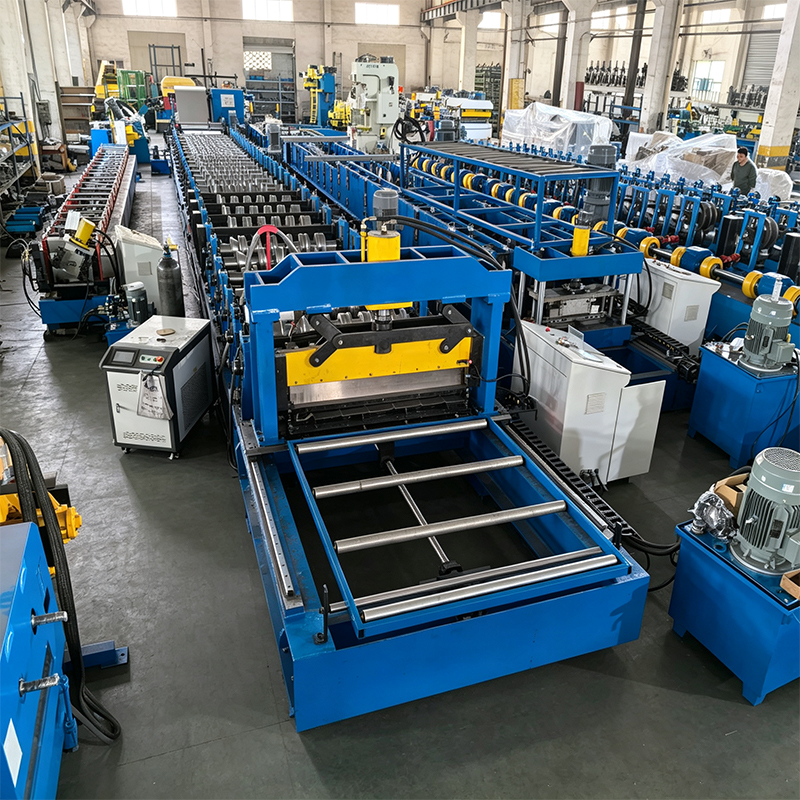
The Door Frame Roll Forming Machine is a specialized cold-roll forming production line designed for manufacturing steel door frame profiles. The door frame—comprising the side jambs and the top header—serves as the core structural support for the door; the precision of its cross-section and its structural integrity directly determine the quality of installation, sealing performance, and service life of the door. Utilizing a continuous cold-roll forming process, the equipment transforms metal coils into finished door frame profiles in a single, integrated workflow that includes uncoiling and leveling, servo feeding and hydraulic punching, guided entry, roll forming, additional hydraulic punching, hydraulic cutting, and discharge.
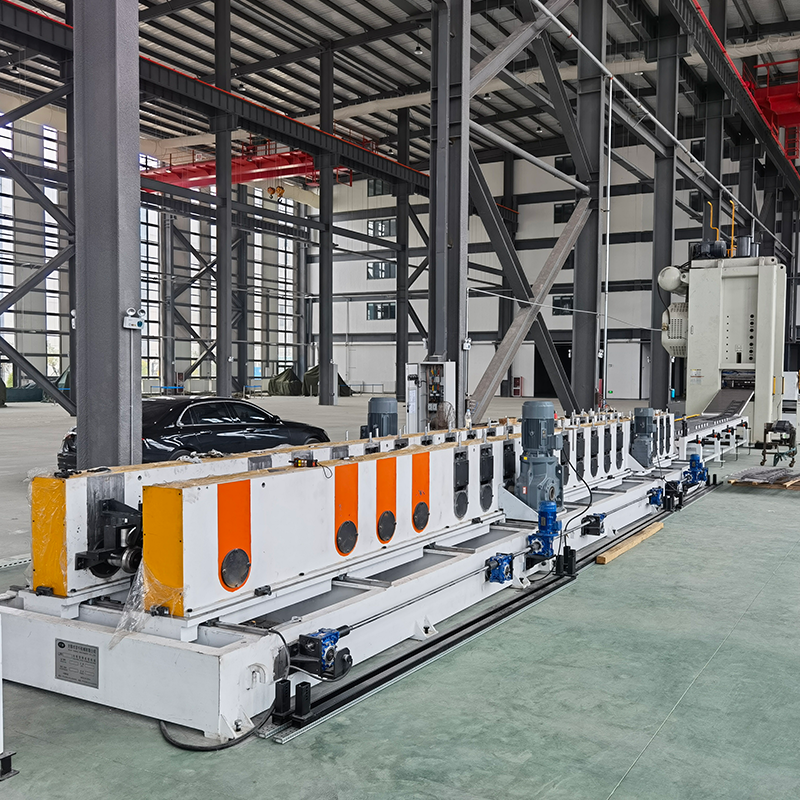
The entire line features fully automatic PLC control and a touchscreen HMI, enabling continuous, automated operation from uncoiling to the discharge of finished products. The machine utilizes a wall-plate style chain drive structure, ensuring high rigidity, precision, and durability. It is compatible with various metal sheet materials, such as galvanized steel and low-carbon steel (e.g., Q235), with a material thickness of 1.2 mm. The forming line speed ranges from 0 to 15 m/min (excluding punching and cutting times), and the process involves approximately 26 forming stations (with tooling sets interchangeable for different specifications). Requiring only one operator, this equipment is a core asset for door manufacturing enterprises aiming to achieve large-scale, standardized, and intelligent production.
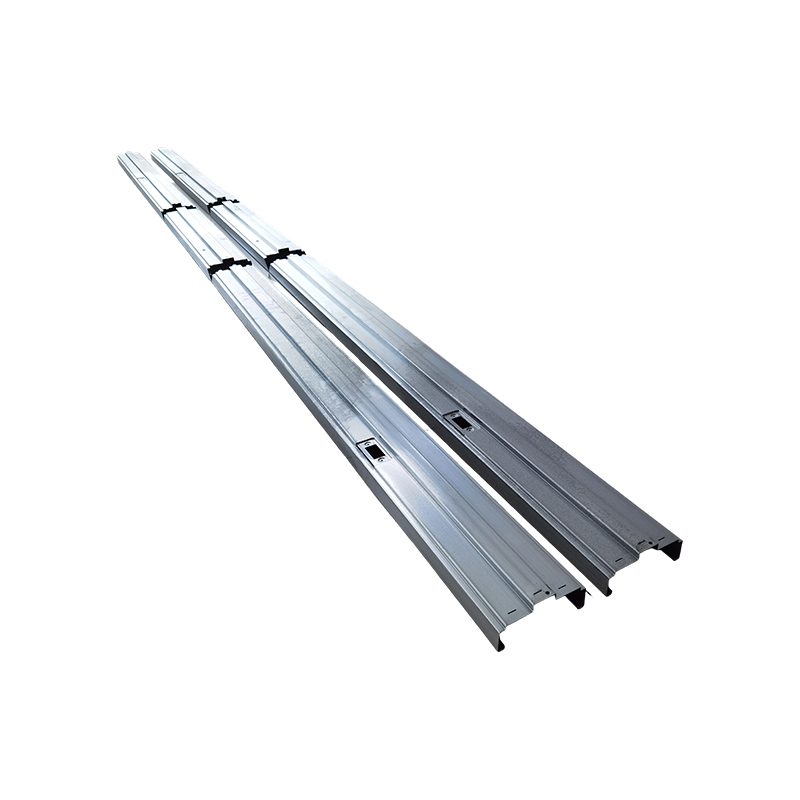
The door frame profiles produced by this equipment strictly comply with the industry standard JG/T 152-2003, "Steel Multi-functional Residential Door Frame Profiles," covering profiles manufactured from cold-rolled steel sheets or strips via the cold-roll forming process.
II. Core Advantages and Selling Points
1. Plate-style chain drive for smooth, reliable operation
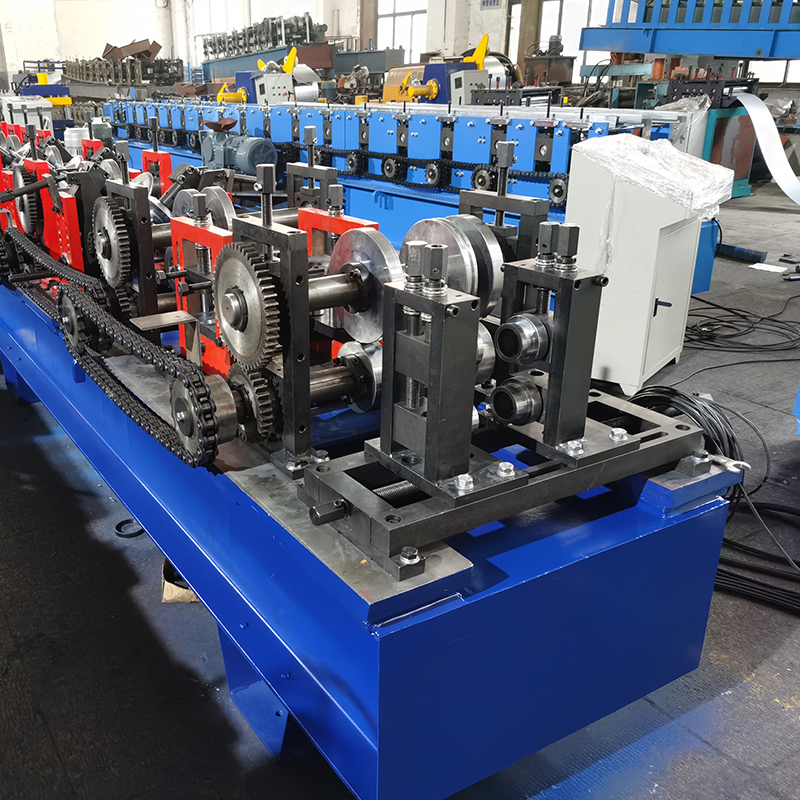
The forming machine utilizes a plate-style chain drive structure, ensuring smooth transmission, low noise, and high precision. The plate-style frame offers high rigidity and excellent resistance to deformation, guaranteeing stable, high-intensity operation over long periods. Powered by an 11kW motor, the machine delivers ample power to ensure stable and efficient processing of 1.2mm thick sheet metal across 26 forming stations.
2. 26-station precision roll forming for accurate, stable cross-sectional dimensions
It employs a multi-stage progressive cold-roll forming process (with interchangeable tooling sets for different specifications) to gradually shape the metal sheet into the standard door frame profile. The 26-station layout is scientifically designed to minimize material stress concentration, ensuring consistent cross-sectional dimensions and precise angles.
Shaft material: 40Cr steel with quenched and tempered treatment (HB220-260), offering excellent comprehensive mechanical properties.
Shaft diameter: Large-diameter (Φ70 mm) forming shafts with high load-bearing capacity.
Shaft processing: CNC turning followed by precision cylindrical grinding to ensure dimensional accuracy and surface finish.
Roll tooling: 1 set.
Roll material: GCr15 steel with quenching treatment (HRC58-60), offering high hardness and excellent wear resistance.
Roll processing: CNC turning to ensure precise control of radial and axial runout.
Spacers: To minimize runout at each station, spacers are machined from thick-walled tubing to ensure tight geometric tolerances and maximize the contact area with the rolls; the inner bore features a clearance fit with the forming shaft.
3. Turkish-style straightening head ensures product straightness
The equipment is equipped with a Turkish-style straightening head for in-line straightening of the formed door frame profiles. This effectively eliminates longitudinal bending and torsional deformation caused during the forming process, ensuring the straightness of the profile. Proper straightness guarantees effective sealing and smooth operation during the subsequent installation of the door leaf.
4. Dual Hydraulic Punching System for Multi-Hole Punching in a Single Pass
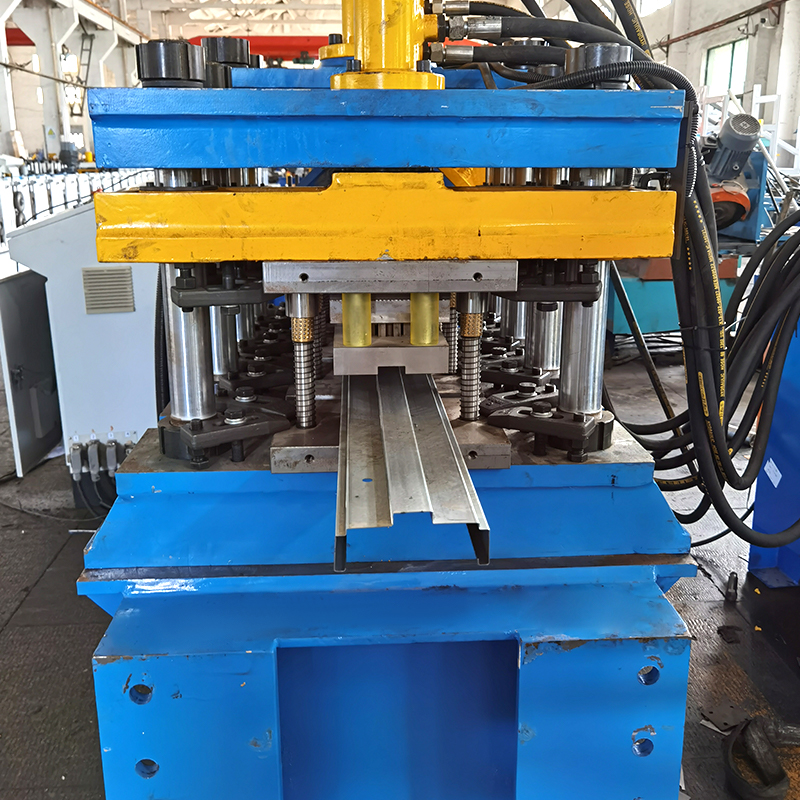
The equipment features two hydraulic punching stages—servo-fed punching after uncoiling and leveling, and hydraulic punching after roll forming—enabling precise punching of various features such as mounting holes, lock holes, and hinge holes on the door frame profiles. The punching system utilizes a four-post frame structure, offering high rigidity and superior guiding accuracy. The punching dies are made of Cr12 steel and undergo quenching to achieve a hardness of HRC 58–62, ensuring long service life and consistent precision. This dual-punching design guarantees accurate hole positioning and uniform hole shapes, effectively ensuring ease of installation and precision during on-site door frame assembly.
5. Integrated Uncoiling and Leveling for Precise, Reliable Material Pre-treatment
The system employs an integrated uncoiling and leveling design, compactly combining these two processes. The leveling unit effectively eliminates internal stresses in the 1.2mm sheet material, ensuring the steel strip enters the subsequent punching and forming stages in a flat and precise condition.
6. Protective Guarding on the Drive Side for Safety and Reliability
Protective guards are installed on the drive side of the equipment, fully enclosing moving parts such as chains and transmission components. This effectively prevents accidental contact by operators, ensuring safe production. Additionally, the guards are dust- and oil-resistant, protecting transmission components from external contaminants and extending the equipment's service life.
7. Fully Automatic PLC Control for Intelligent Production
The system features fully automatic PLC control and a touchscreen HMI, enabling digital management of the entire process. Operators can set parameters—such as production speed, cut length, and production quantity—with a single touch. Multiple production tasks can be pre-programmed for automated operation. Equipped with real-time monitoring and fault warning systems, the machine automatically triggers alarms and displays the cause of any malfunction. Operators can become proficient enough to work independently after just 1–2 days of training, significantly reducing skill requirements. 8. Robust, durable, stable, and reliable
The forming frame features a portal-style structure, offering high rigidity and excellent resistance to deformation.
GCr15 quenched rolls (HRC 58–60) ensure high hardness, superior wear resistance, and a long service life.
40Cr quenched and tempered shafts (HB 220–260) provide excellent comprehensive mechanical properties.
Processed via CNC turning and precision cylindrical grinding to ensure high accuracy regarding circular and radial runout.
Key electrical components utilize renowned brands such as Delta/Schneider PLCs and Schneider electrical products.
Low failure rate and long service life.
III. Technical Parameters
Item Parameter
Applicable materials: Galvanized sheet, low-carbon steel (e.g., Q235), etc.
Material thickness: 1.2 mm
Forming machine structure: Arch-frame type with chain drive
Number of forming stations: Approx. 26 stations (tooling sets changed for different specifications)
Shaft material: 40Cr steel, quenched and tempered (HB 220–260)
Shaft diameter: Φ70 mm
Shaft machining method: CNC turning followed by precision cylindrical grinding
Forming machine motor power: 11 kW
Forming line speed: 0–15 m/min (excluding punching and cutting)
Roll tooling: 1 set
Roller material: GCr15 steel, quenched (HRC 58–60)
Roller machining method: CNC turning; ensures precision regarding circular runout and radial runout
Spacer sleeves: Machined from thick-walled tubing; ensures geometric and positional tolerances
Straightening mechanism: Turkish-style straightening head
Safety guards: Protective cover installed on the drive side
Control system: Fully automatic PLC control
Operators 1 person
IV. Production Process
Uncoiling & Leveling → Servo Feeding & Hydraulic Punching → Guided Infeed → Roll Forming → Hydraulic Punching → Hydraulic Shearing → Discharge
Process Step Description
Uncoiling & Leveling: The uncoiler holds the metal coil; the leveler performs precision leveling to eliminate internal stress.
Servo Feeding & Hydraulic Punching: The servo system ensures precise positioning for accurate punching of mounting holes, lock holes, etc.
Guided Infeed: Side roller guides ensure the material enters the main forming unit in the correct position.
Roll Forming: 26-stage progressive cold-roll forming using quenched GCr15 rollers to gradually shape the standard door frame profile.
Hydraulic Punching: Secondary hydraulic punching to complete additional holes, such as hinge holes.
Hydraulic Shearing: Hydraulic fixed-length cutting using quenched Cr12 blades; ensures high precision and clean, smooth cuts.
Discharge: Output of finished products; orderly discharge.
V. Application Areas
Door frame profiles produced by cold-roll forming equipment are widely used in the following areas:
Security and Fire-Rated Doors: Fully automated production of security and fire-rated door frames; the frame is a core structural component, and the precision of its cross-section determines the door's impact resistance and sealing performance.
Residential and Civil Buildings: Door frames for offices, retail shops, private residences, hotels, and similar structures.
Industrial and Commercial Buildings: Door frame systems for industrial plants, commercial complexes, hospitals, schools, and other facilities.
Stainless Steel Doors and Prefabricated Building Doors: Customized production of door frames for stainless steel doors and prefabricated structures.
Door Frame Profile Components: Production of a full range of profiles, including lock-side frames, hinge-side frames, top frames, and bottom frames.
Composite Door Frames: Production of matching profiles such as side frames and bottom frames for composite doors.
VI. Market Outlook
Driven by the continuous development of the construction industry and steady growth in the door manufacturing sector, the market for door frame cold-roll forming equipment is showing a positive growth trend.
Steady growth in market demand: Demand for various door products—such as security doors, fire-rated doors, and interior doors—continues to rise, fueling the need for large-scale production of door frame profiles. Steel door frames are widely used in residential, commercial, and public infrastructure projects due to their high strength, excellent fire resistance, and corrosion resistance.
Advantages of the cold-roll forming process: Cold-roll forming offers high material utilization, precise shaping, high production efficiency, and low costs. Door frame profiles produced via this method feature optimized cross-sectional shapes, high dimensional accuracy, and lightweight characteristics. Industry standards have been established for multifunctional residential door frame profiles manufactured from cold-rolled steel sheets or strips using the cold-roll forming process.
Trends toward automation and intelligence: Equipment is evolving toward full automation and intelligent operation. Centralized PLC control manages the entire production line—including uncoiling, leveling and feeding, fixed-length punching, roll forming, hydraulic cutting, and product discharge—enabling automated production based on pre-set parameters for multiple product specifications. The market penetration of fully automated, intelligent door frame forming equipment continues to increase.
Demand for customization and flexible production: As the door market increasingly demands a wider variety of products and specifications, there is growing demand for flexible door frame forming equipment capable of rapid tooling changes and multi-purpose functionality.
VII. Service and Support
Solution Design: We provide personalized equipment selection and production line layout based on customer product drawings, capacity requirements, and target markets.
Custom Manufacturing: We support non-standard customization; orders can be placed using cross-sectional drawings or samples, with full oversight from roll design to complete machine manufacturing.
Installation and Commissioning: Engineers provide on-site installation, commissioning, and operator training to ensure rapid production startup.
After-Sales Support: We offer long-term technical consultation and spare parts supply; our engineers hold all necessary visas and are available for on-site service worldwide at any time.
Continuous Optimization: We provide equipment modification and capacity upgrade services to adapt to changing production needs.
VIII. Why Choose Us
Nearly 20 years of manufacturing experience: Mature technology, refined processes, and reliable quality
Wall-plate style chain drive: Smooth and reliable operation, high rigidity, and long service life
26-stage precision forming: GCr15 quenched rollers (HRC 58–60), 40Cr heat-treated shafts (Φ70mm), processed via CNC and ultra-precision grinding
Dual hydraulic punching system: Pre-forming and post-forming punching; simultaneous multi-hole punching ensures high precision and efficiency
Turkish-style straightening head: Precise straightening ensures door frame straightness and guarantees a tight seal for the door leaf
Drive-side protective cover: Safe and reliable; dust- and oil-proof; extends equipment lifespan
High-precision manufacturing: Consistent product dimensions and stable quality
Efficient production: Line speed of 0–15 m/min; the entire line can be operated by a single person
Intelligent control: Fully automatic PLC with touchscreen interface; one-touch setup and automatic counting
Direct manufacturer: No middlemen; excellent cost-performance ratio
Global service network: Engineers hold valid visas and provide rapid response
 English