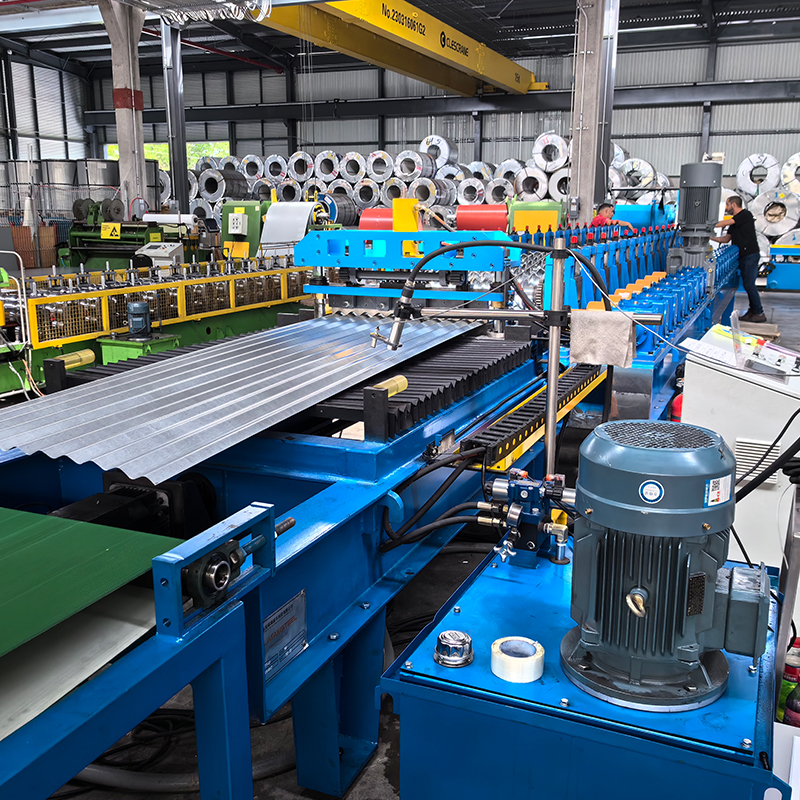
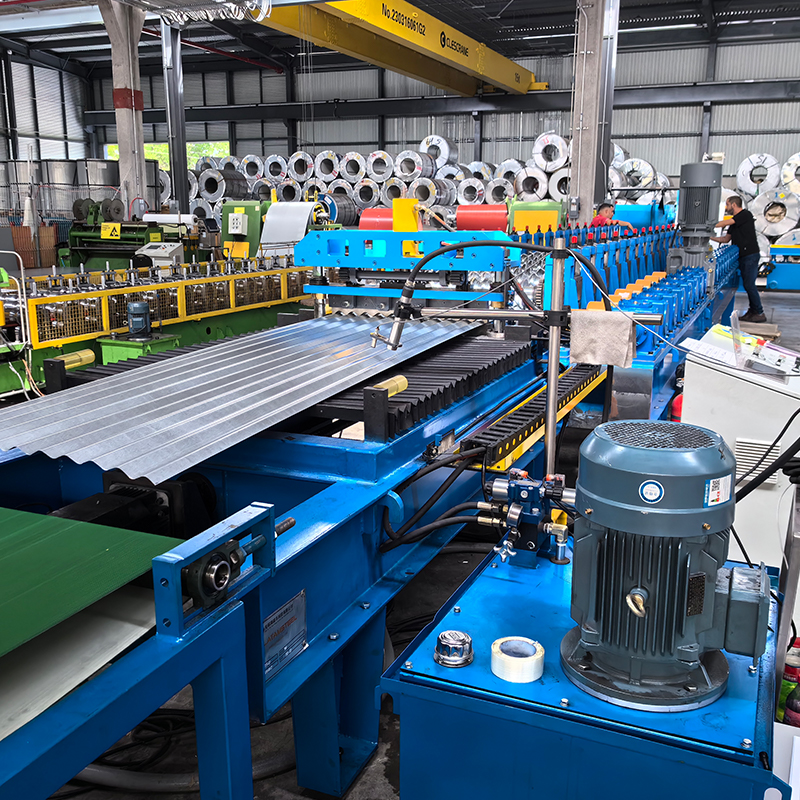
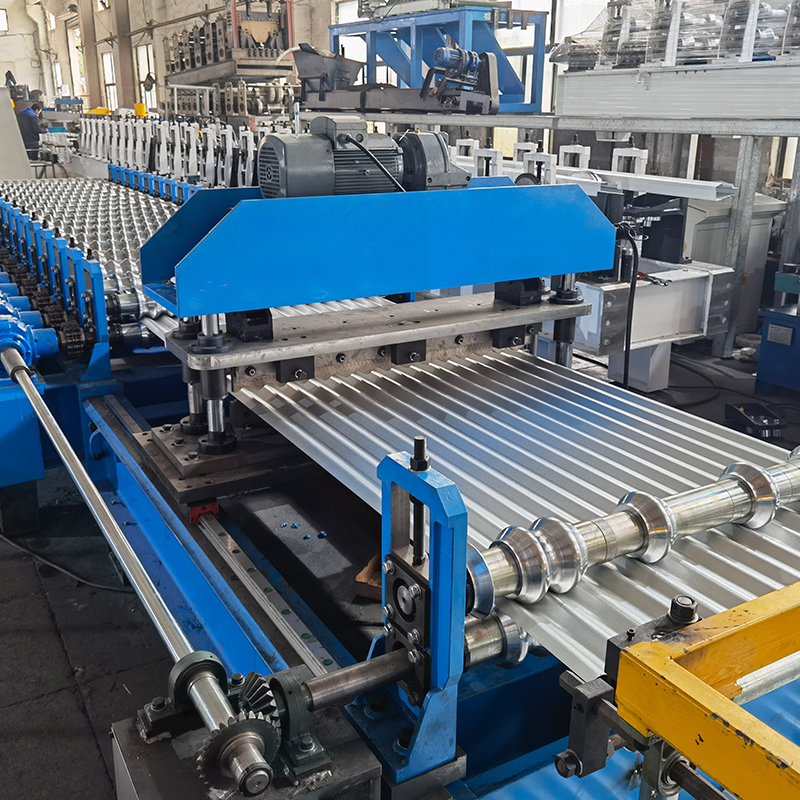
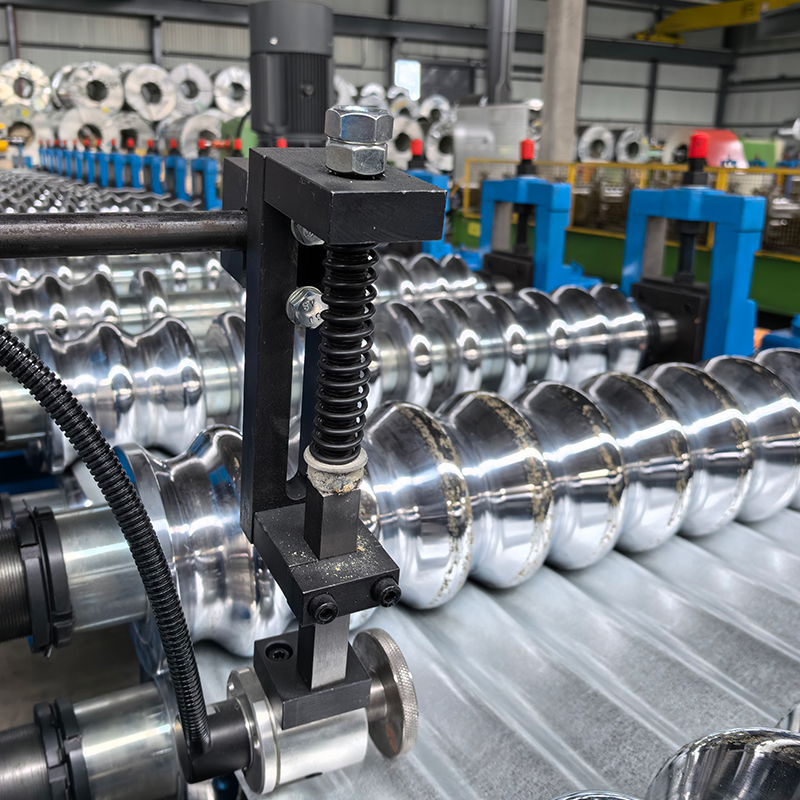
I. Equipment Overview
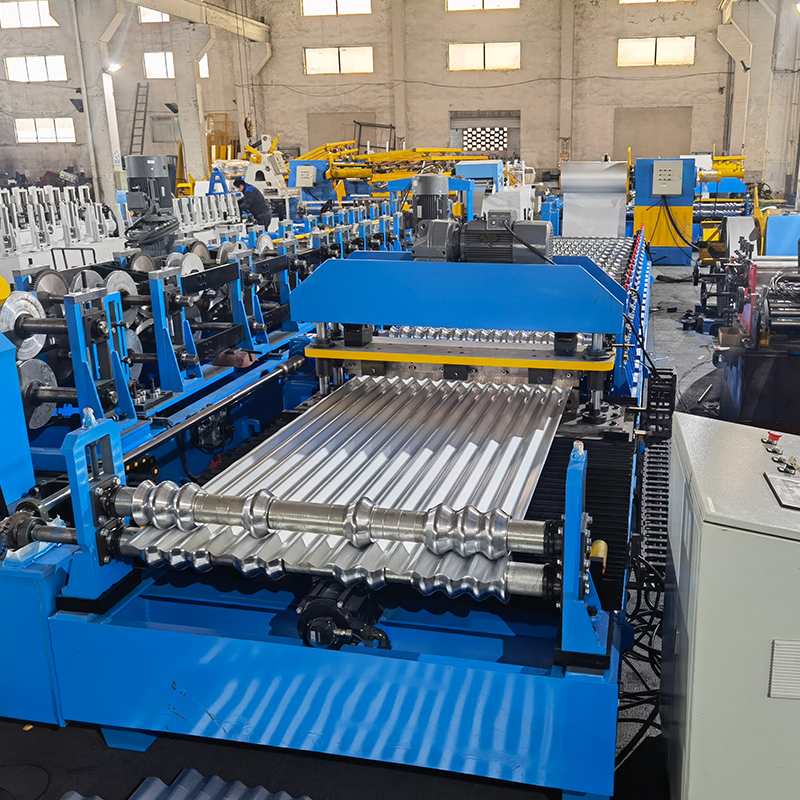
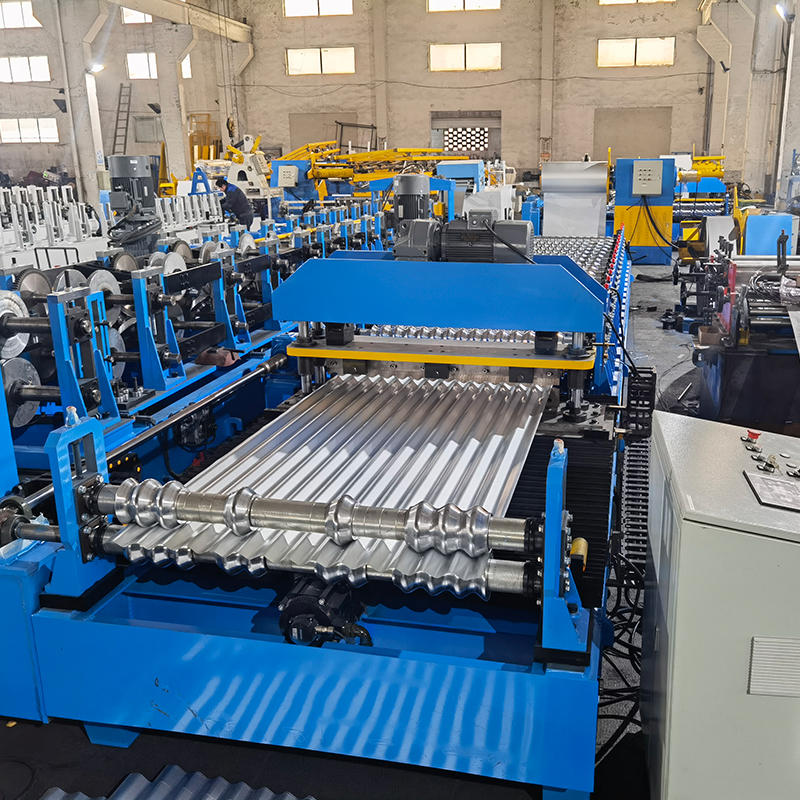
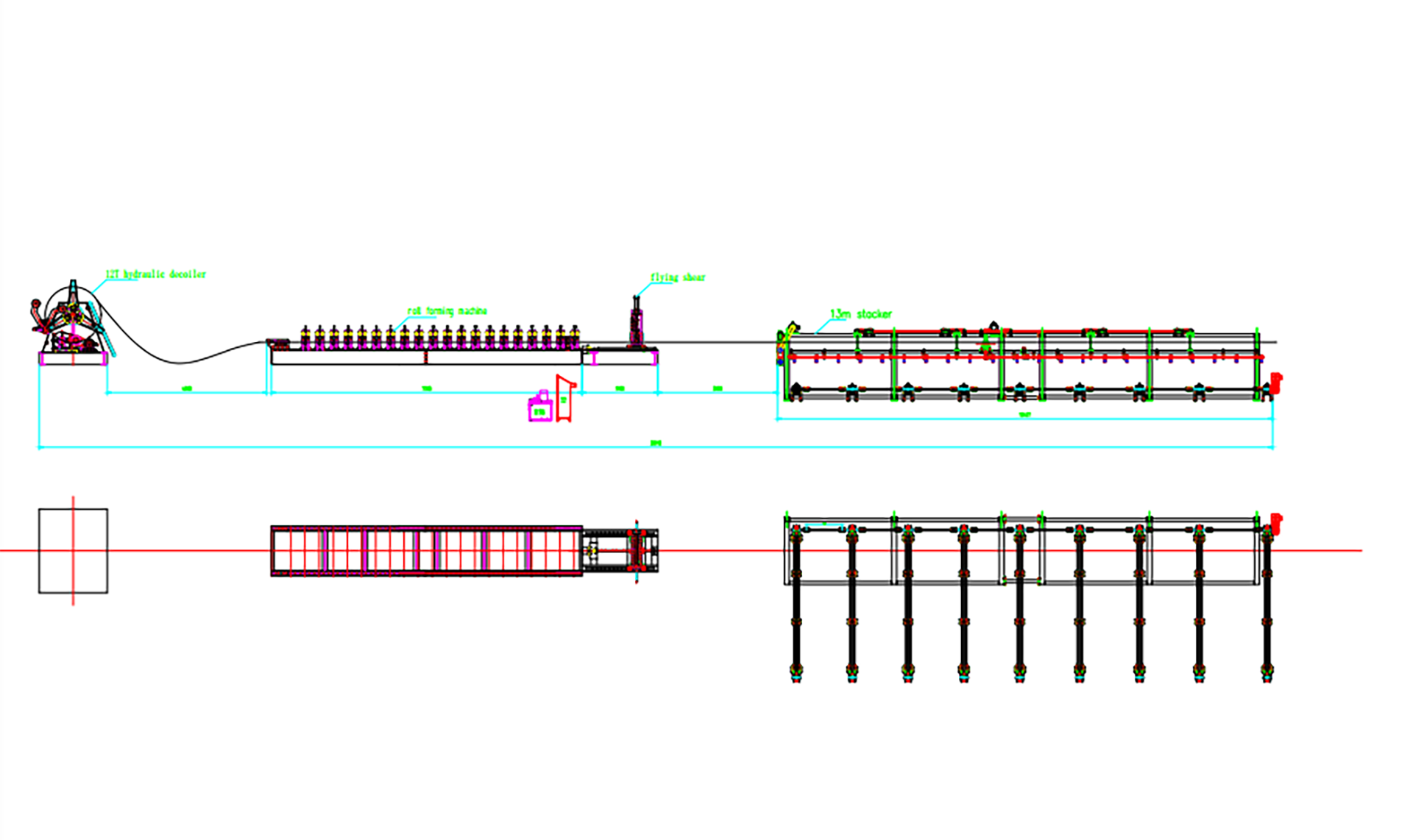
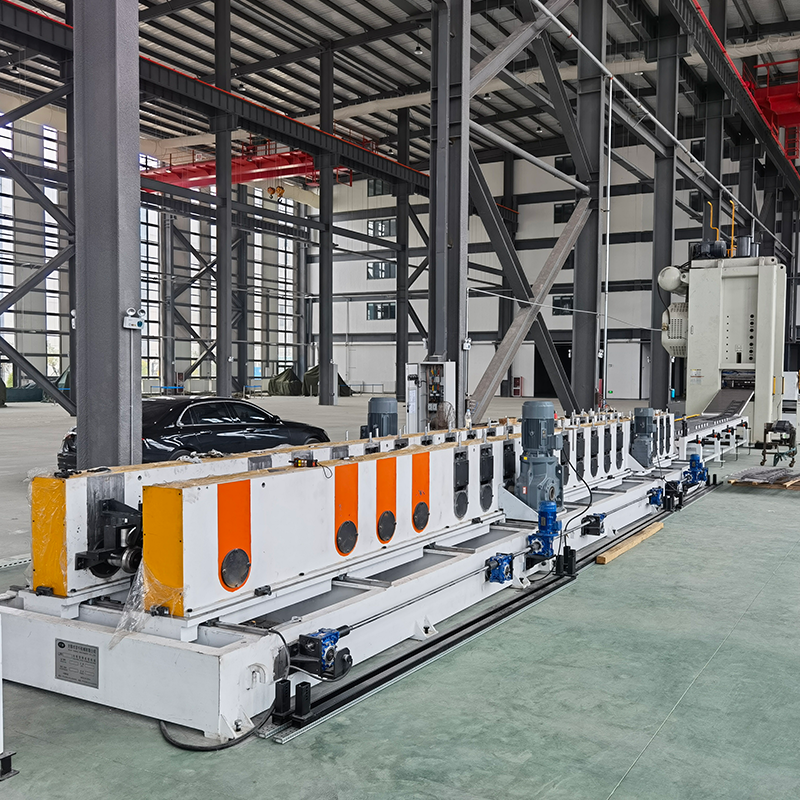
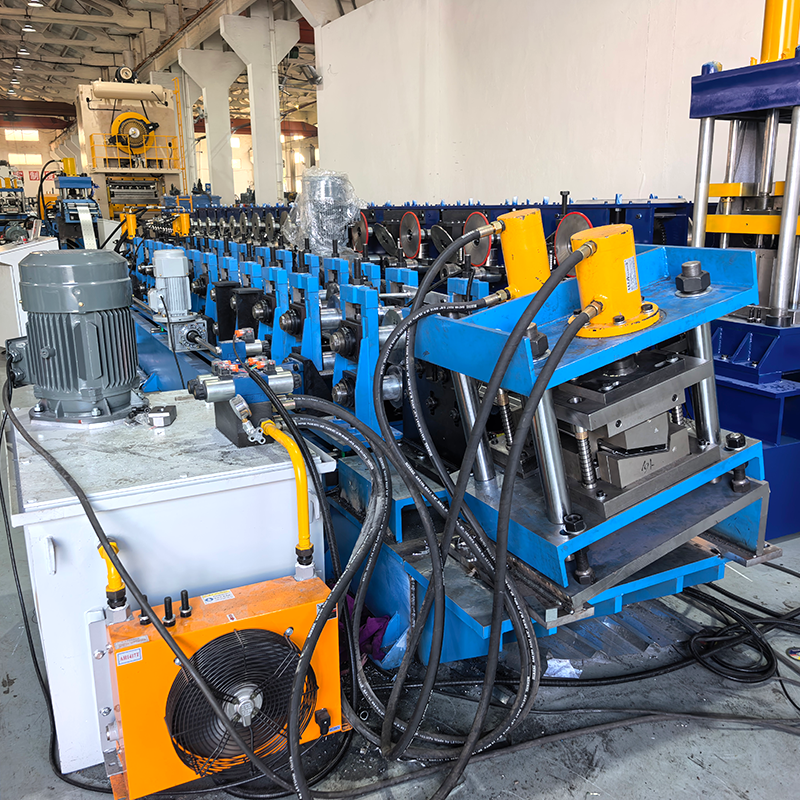
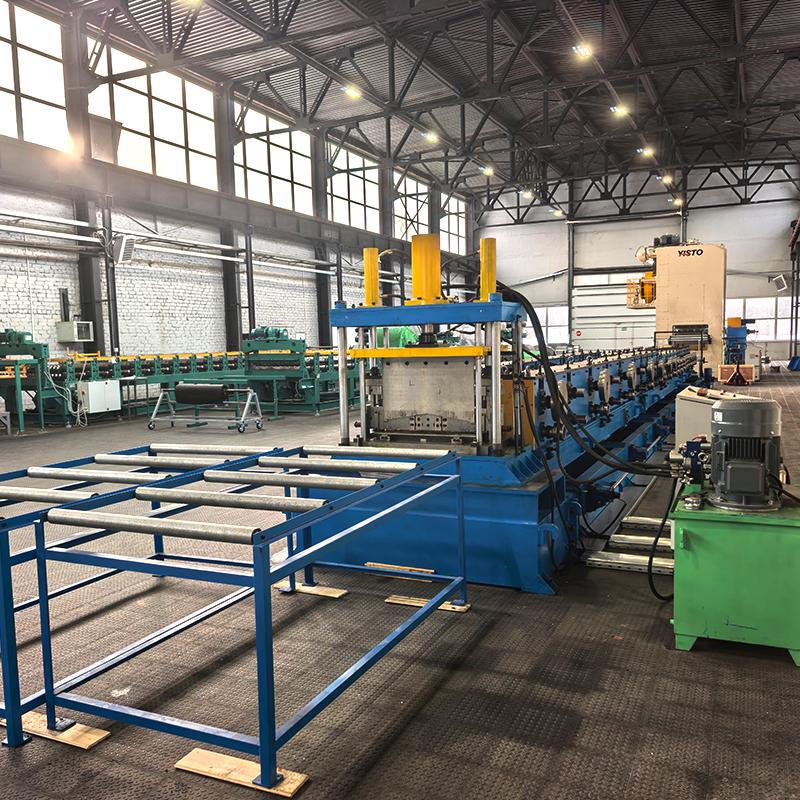
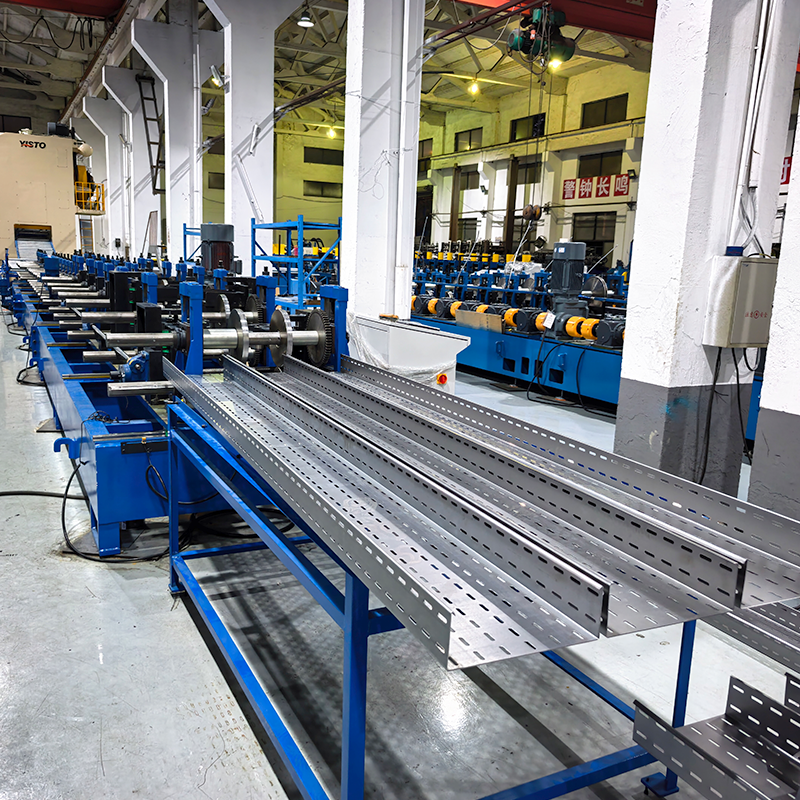
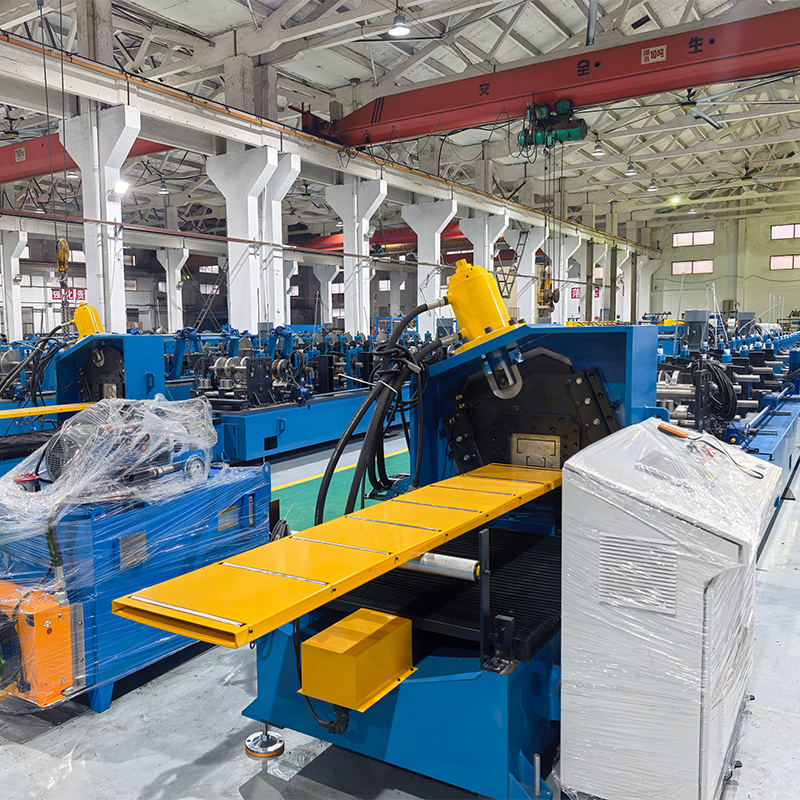
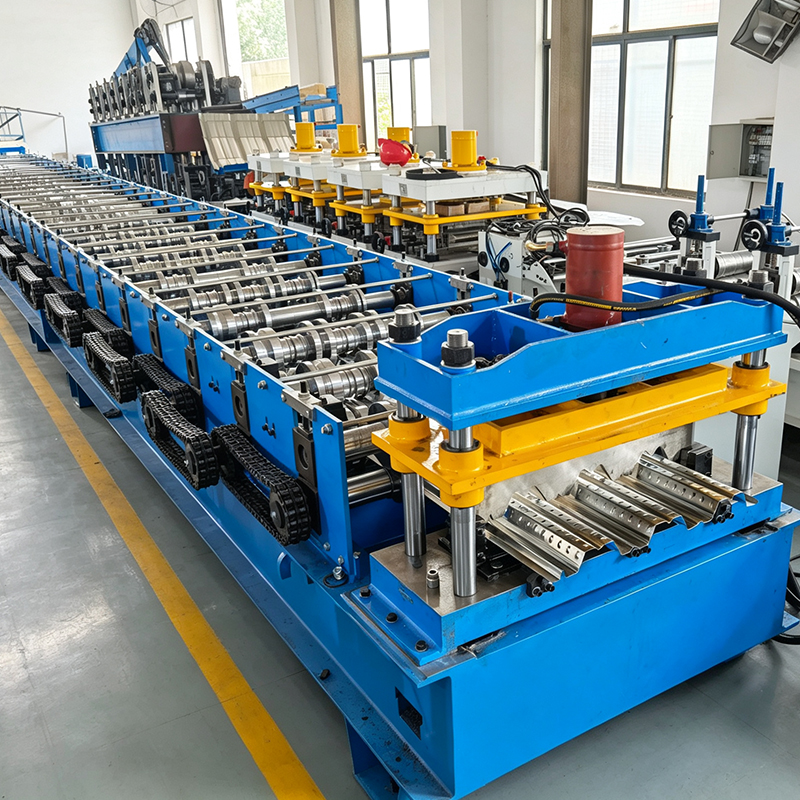
The Wave Sheet Roll Forming Machine is specialized cold-roll forming equipment designed for the production of corrugated metal sheets. Corrugated sheets are created by processing metal coils through a roll-forming process to produce panels with a continuous wave profile; this design significantly enhances the sheet's strength and rigidity, making it an ideal choice for roofing, wall cladding, and various engineering applications. Utilizing a continuous cold-roll forming process, the machine integrates the entire production sequence—including uncoiling, guided feeding, roll forming, cut-to-length shearing, and automatic stacking of 12-meter sheets—into a single, streamlined operation that directly yields finished corrugated panels.
The entire line features fully automatic PLC control and a touchscreen HMI, ensuring a continuous, automated workflow from uncoiling to final stacking. The equipment is compatible with a wide range of metal materials—such as color-coated steel, galvanized steel, Al-Zn coated steel, stainless steel, and aluminum—handling thicknesses of 0.3–1.0 mm and feed widths of 914–1250 mm. It is capable of producing corrugated sheets with various wave heights and pitches. Requiring only 1–2 operators, this machine serves as core equipment for manufacturers in sectors such as architectural roofing, wall paneling, container production, and bridge/culvert construction, enabling large-scale, standardized, and intelligent production.
II. Core Advantages and Selling Points
(1) Multi-profile Capability & Flexible Production
This is the core advantage distinguishing this equipment from conventional single-specification production lines.
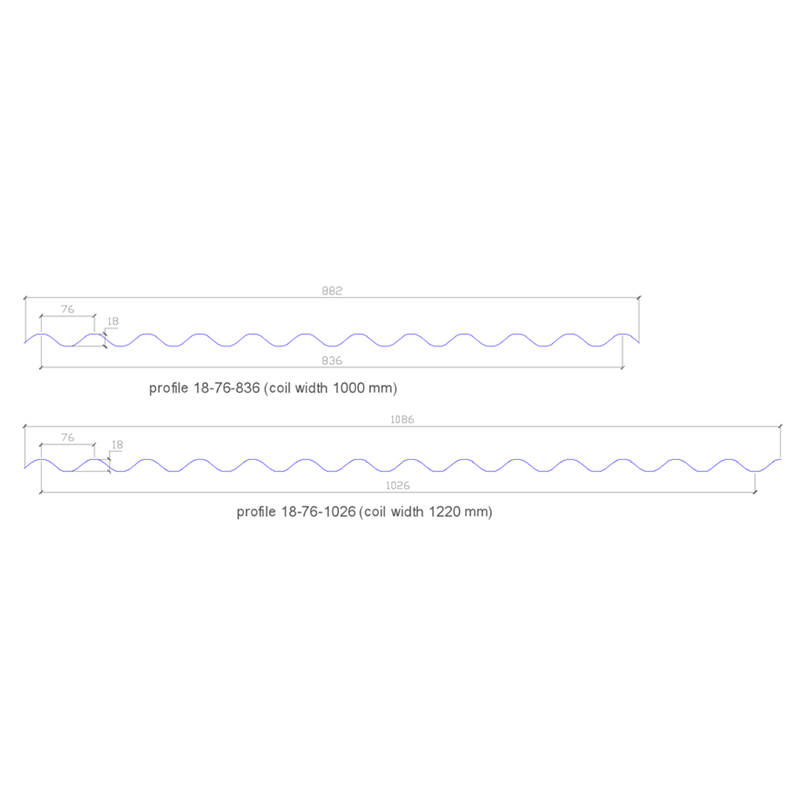
Traditional corrugated sheet equipment is typically customized for a single profile; switching products requires replacing the entire mold set, which is time-consuming and costly. This equipment utilizes a modular mold design and adjustable forming technology, allowing the same machine and roller set to process corrugated sheets of various specifications. A single machine can produce corrugated sheets with different wave heights and pitches. Specification changes are achieved through quick adjustments—eliminating the need for specialized technicians—so standard operators can handle the switch, significantly boosting equipment utilization. Certain models also feature a dual-layer design, enabling one machine to produce two different profile types (e.g., corrugated and trapezoidal) simultaneously, thereby saving both space and costs.
(2) High Speed, High Efficiency, and Leading Production Capacity
The entire line integrates a fully automated process covering uncoiling, forming, cutting, and stacking. The forming line speed is continuously adjustable between 10 and 60 m/min, accommodating diverse production needs regarding material thickness and type. Based on standard sheet lengths, the system can produce multiple sheets per minute, achieving a daily output of tens of thousands of meters. Fully automated production requires only 1–2 operators, resulting in efficiency several times higher than traditional production methods. A cutting unit synchronized with the forming machine cuts products to the required length in real-time, further maximizing productivity.
(3) 12-Meter Automatic Stacking for Long Sheets
Equipped with a 12-meter automatic stacking system, finished corrugated sheets are transported automatically to the stacking station. They are stacked neatly and systematically according to preset programs. The 12-meter stacking capacity accommodates various long-format corrugated sheet products; by eliminating the need for manual stacking and alignment, it drastically reduces labor intensity and enables a seamless "production-to-storage" workflow. This is particularly suitable for the mass production of long-format items such as container corrugated sheets and large roofing panels.
(4) High-Precision Forming and Effective Spring-back Control
Roll forming technology employs a series of sequentially arranged forming rollers to press flat raw sheets into specific cross-sectional profiles. This forming method effectively overcomes material springback issues, ensuring the precision and consistency of the corrugated profile. Through a multi-pass progressive forming process, the metal sheet is gradually bent into a standard corrugated cross-section. It offers high forming precision, a flat sheet surface, uniform corrugations, and stable product quality.
(5) Multi-pass precision roll forming; flat, flawless sheet surface
Utilizes a multi-pass precision roll forming process (typically 9–24 forming stations). The metal sheet undergoes progressive cold-roll forming across multiple passes to gradually achieve a uniform corrugated shape.
Forming machine structure: The frame features a welded H-beam structure (e.g., 300H or 350H steel), offering high rigidity and excellent resistance to deformation.
Shaft diameter: Large-diameter forming shafts (Φ70–Φ80mm) with high load-bearing capacity.
Shaft material: 45# steel, subjected to quenching and tempering treatment.
Roller material: 45# forged steel with a 0.05mm hard chrome-plated surface; offers high hardness and excellent wear resistance.
Middle plate thickness: 16mm; ensures the entire machine is robust and durable.
(6) High-strength H-beam machine body; robust and durable
The machine body utilizes a welded structure made of 300H or 350H steel, providing high rigidity and excellent vibration resistance.
The machine bed is constructed from welded steel plates and undergoes tempering to effectively eliminate internal stress, preventing deformation.
Forming stands are made from welded channel steel or cast iron, ensuring high strength and a long service life.
Total machine weight is approximately 2.5–7.5 tons, featuring a solid and stable structure.
(7) Hydraulic fixed-length cutting; precision of ±1.0mm
Employs a hydraulic cutting system; cutting blades are made of Cr12MoV steel and undergo quenching treatment (HRC 58–62). Processing precision is ≤±1.0mm. Finished products feature uniform dimensions and stable quality, effectively ensuring precision during installation and assembly.
(8) Fully automatic PLC control; intelligent production
Features fully automatic PLC control and a touchscreen HMI (Human-Machine Interface) for digital management of the entire process. Operators can set parameters such as production speed, cut length, and production quantity with a single touch. Equipped with a real-time monitoring and fault warning system; it automatically alerts operators to anomalies and displays the cause of the fault. Novices can work independently after just 1–2 days of training.
(9) Rugged, durable, stable, and reliable
Drive mechanism: Sprocket and chain drive; ensures smooth and reliable operation
Hydraulic station pressure: 10–12 MPa
Control system: Uses renowned brands such as Delta or Panasonic PLCs
Variable frequency drive (VFD): Uses internationally renowned brands such as ABB
CE/ISO certified; quality guaranteed
III. Technical Parameters
Item Parameter
Applicable materials Color-coated steel, galvanized steel, Al-Zn coated steel, stainless steel, aluminum sheet, etc.
Material thickness 0.3–1.0 mm (standard: 0.3–0.8 mm)
Input material width 914–1250 mm
Number of forming stations 9–24 stations
Forming line speed 10–60 m/min (steplessly adjustable)
Shaft diameter Φ70–Φ80 mm
Shaft material 45# steel (quenched and tempered)
Roller material 45# forged steel (surface hard-chrome plated, 0.05 mm)
Cutting blade material Cr12MoV (quenched/hardened, HRC 58–62)
Processing precision ≤±1.0 mm
Main motor power 5.5–7.5 kW
Hydraulic station motor power 2.2–4 kW
Stacking length 12 m
Machine weight 2.5–7.5 tons
Machine dimensions (L × W × H) Approx. 6.0–10.0 m × 1.3–1.5 m × 1.2–1.8 m
Control system Fully automatic PLC control (Delta/Panasonic/Mitsubishi)
Frequency converter ABB or other renowned brands
Operators 1–2 persons
IV. Production Process
Uncoiling → Guided Feeding → Multi-stage Roll Forming → Cut-to-Length → 12-Meter Automatic Stacking
Process Description
Uncoiling Manual or hydraulic uncoiler supports the metal coil and ensures stable feeding; maximum load capacity of 5–8 tons.
Guided Feeding Lateral roller guides ensure the sheet enters the main forming unit in the correct position.
Multi-stage Roll Forming 9–24 stages of progressive cold-roll forming to gradually create a uniform corrugated cross-section.
Cut-to-Length Hydraulic cutting to fixed length with ±1.0mm precision; features a hardened Cr12MoV blade.
12-Meter Automatic Stacking Automatic stacking of finished products; supports extra-long 12-meter stacks for neat output.
V. Application Areas
Corrugated sheet products manufactured by roll-forming equipment are widely used in the following fields:
Building Roofing and Wall Cladding: Metal roofing and wall cladding for industrial plants, commercial buildings, and residential homes—the corrugated design enhances the strength and rigidity of the sheets.
Large-Scale Public Buildings: Roofing and wall systems for long-span structures such as stadiums, exhibition centers, theaters, and airport terminals.
Industrial Buildings: Roofing and enclosure structures for locomotive depots, aircraft hangars, and various industrial manufacturing plants.
Container Manufacturing: Container roof panels and sectional side panels—corrugated sheets offer high strength and low weight, making them an ideal material for container production.
Bridge and Culvert Engineering: Steel corrugated plate bridges, culverts, and underpasses—corrugated steel culverts offer advantages such as high strength, rapid installation, and long service life.
Roadways and Railways: Highway culverts, railway underpasses, tunnels, and temporary access roads.
Municipal Engineering: Utility tunnels, cable protection conduits, drainage channels, tower crane cofferdams, and other municipal infrastructure.
Transformer Manufacturing: Corrugated transformer oil tanks—corrugated sheet forming machines are critical equipment in the production of transformer oil tanks.
VI. Market Outlook
Driven by the continuous development of global infrastructure and the construction industry, the market for corrugated sheet roll forming equipment is experiencing steady growth. The global roll forming machine market is valued at approximately US$615 million in 2025 and is projected to reach US$826 million by 2032, reflecting a compound annual growth rate (CAGR) of 4.32%. Meanwhile, the market for automated roll forming machinery is valued at US$918 million in 2025 and is expected to hit US$1.886 billion by 2032, with a robust CAGR of 10.83%. As global urbanization progresses and investment in infrastructure continues, the application of metal corrugated sheets in sectors such as industrial facilities, public buildings, and transportation projects is set to expand further. Equipment is evolving toward higher speeds and greater intelligence; PLC-based centralized control systems now manage the entire production line—including material feeding, forming, cutting, and stacking—leading to a steady rise in the market penetration of fully automated, intelligent corrugated sheet equipment.
VII. Service & Support
Solution Design: We provide personalized equipment selection and production line layouts based on customer product drawings, production capacity requirements, and target markets.
Custom Manufacturing: We support non-standard customization—including specific corrugated profiles and optional accessories like laminating units and material take-up racks—with full oversight from roll design to complete machine manufacturing.
Installation & Commissioning: Engineers provide on-site installation, commissioning, and operator training to ensure rapid production startup.
After-Sales Support: We offer long-term technical consultation and spare parts supply; our engineers hold all necessary visas and are available for on-site service worldwide.
Continuous Optimization: We provide equipment modification and capacity upgrade services to adapt to changing production needs.
VIII. Why Choose Us
Nearly 20 Years of Manufacturing Experience: Mature technology, refined processes, and reliable quality
Multi-Profile Capability: A single machine processes various corrugated sheet specifications, eliminating the need for repeated investment
High Speed & Efficiency: Forming speeds of 10–60 m/min with a daily output of tens of thousands of meters
12-Meter Automatic Stacking: Extra-long stacking capacity accommodates various long-format sheets without manual handling
High-Precision Forming: Effectively minimizes spring-back; processing precision within ±1.0 mm
Rugged Durability: Welded H-beam frame, tempered structure, and chrome-plated rollers ensure stability and prevent deformation during long-term operation
Smart Control: Fully automated PLC system with touchscreen interface; the entire line can be operated by just 1–2 people
Direct Manufacturer: No middlemen, offering excellent value for money
Global Service Network: Engineers hold all necessary visas and provide rapid response
 English